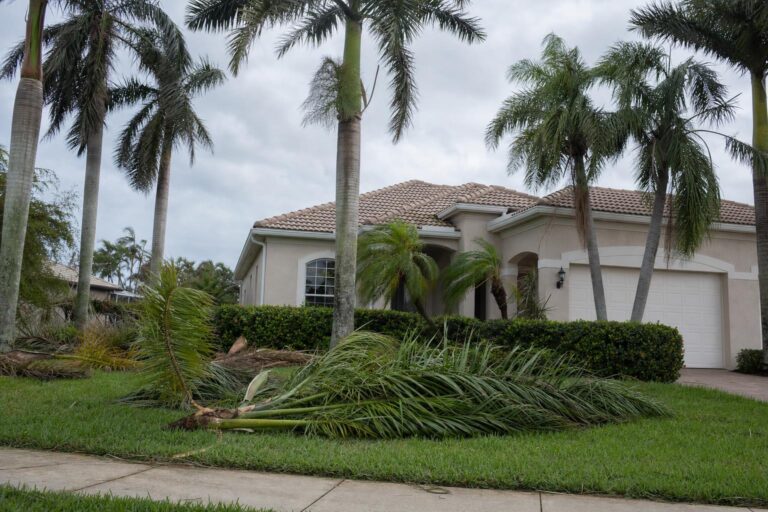
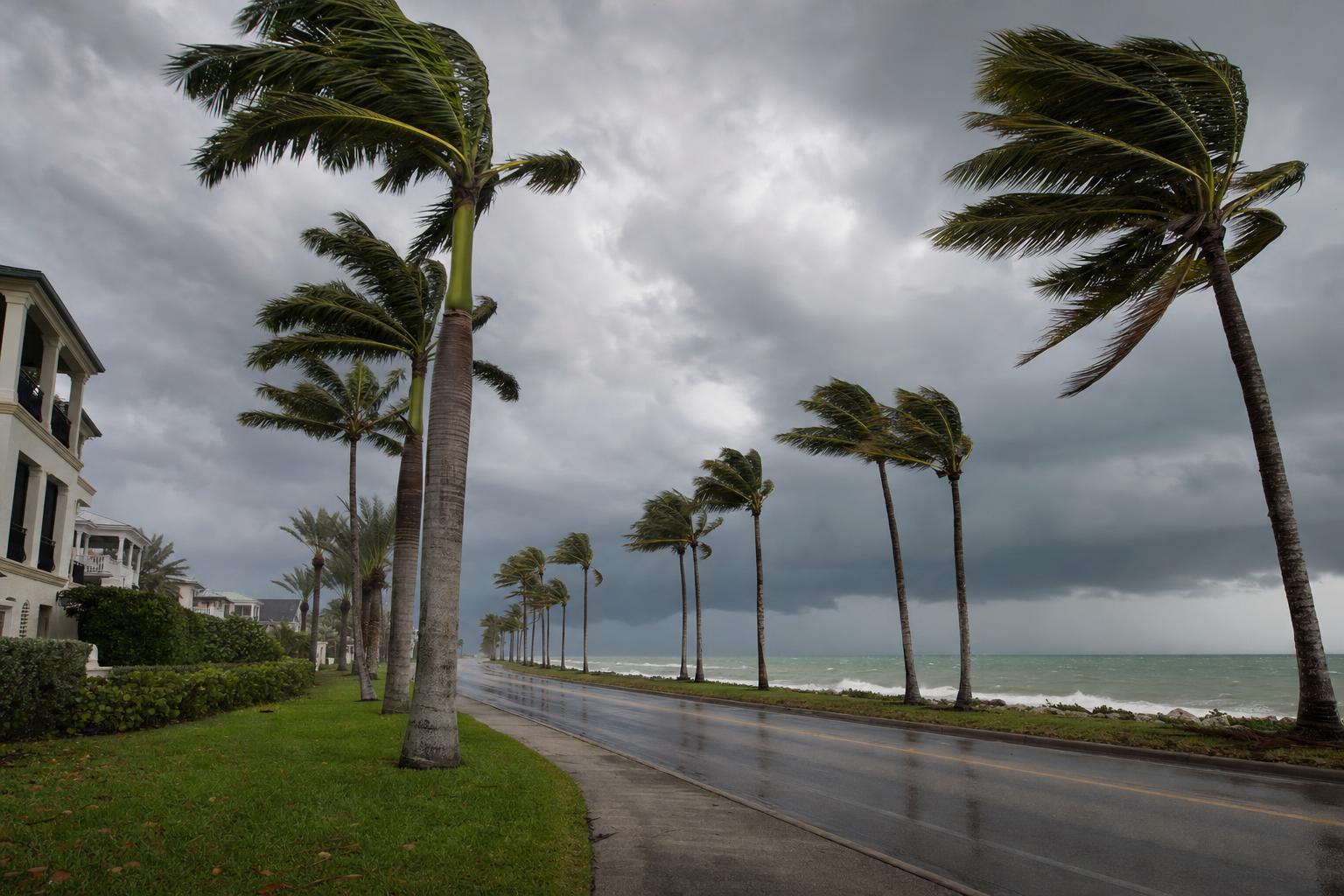
When a hurricane heads for Southwest Florida, Collier County issues evacuation orders by zone, not by city or street name. If you do not know your letter, you will not know whether an order applies to you. Collier County evacuation zones are based on the risk of storm surge, and finding yours takes about a minute. This guide shows where to look it up, what the zones mean, how orders have worked in recent storms and how to plan before the season’s next threat.
What Collier County Evacuation Zones Measure
Evacuation zones map where storm surge, the rise of seawater pushed ashore by a hurricane, could reach. The zones are lettered, starting with A for the areas most exposed to surge. The state’s Know Your Zone page describes Zone A as generally the most vulnerable and the first to be evacuated. The county map shows which letters apply in Collier, so look up your own address.
Surge is the reason evacuation orders exist. Wind damage can happen anywhere in a storm’s path, but surge is what makes staying in a low-lying coastal home dangerous. That is why evacuation orders are tied to zones, and why the most surge-prone zones, starting with A, are generally the first to be told to leave.
An evacuation zone is not a flood zone. Flood zones come from FEMA maps and set insurance and building rules. Evacuation zones tell you when to leave. A home can be in one and not the other, so check both.
How to Find Your Zone
Collier County’s emergency assistance page includes an “Evacuation Information and Zones” mapping tool. The page says to use it to search by address and determine whether you are in a designated evacuation zone. The same page links to a statewide zone lookup and to current county evacuation orders.
A few tips make the lookup more useful:
- Write the letter down. Put it on your refrigerator, in your phone and in your hurricane kit, so you are not searching during a storm.
- Look up every address that matters. Check your home, a relative you might shelter with, and anyone you care for.
- Re-check each year. Maps can be updated, and a quick look before June 1 confirms nothing changed.
Collier County also offers AlertCollier, a free emergency notification service. Its March 2026 flood protection newsletter says you can monitor up to five addresses and choose alerts by text or phone call for flood, tornado and hurricane threats.
Naples Communities by Zone
Each Collier community in our guides lists its evacuation zone from the county’s map layer, checked in late August 2026. The spread shows why you cannot guess a zone from a community’s distance to the beach:
Scroll table to compare columns
| Zone | Communities in our Naples guides |
|---|---|
| A | Audubon Country Club, Treviso Bay |
| B | Pelican Marsh |
| C | Grey Oaks, Lely Resort, Mediterra |
| D | Naples Reserve, Talis Park, Winding Cypress |
| E | Esplanade Golf & Country Club of Naples, Quail Creek, Quail West, Riverstone, Stonecreek, TwinEagles, Valencia Trails, Vineyards |
For example, Treviso Bay sits in zone A, while Vineyards sits in zone E. A community-level zone is a summary, so confirm the zone for your specific address with the county tool.
How Evacuation Orders Work
When a storm threatens, Collier County announces which zones must evacuate. Orders can be voluntary or mandatory, and the zones named differ from storm to storm. Before Hurricane Milton in 2024, news reports said Collier County called for evacuations in zones A and B, first as a voluntary precaution and then as a mandatory order. Other storms may call for different zones, so never assume the last order will repeat.
Know where to hear about orders. Collier’s flood protection newsletter points residents to watches and warnings from the National Weather Service, the National Hurricane Center and the county on WGCU 90.1 FM and other local stations, and says police and fire officials will also notify residents of evacuations when possible. NOAA Weather Radio broadcasts continuously as well.
If your zone is ordered out, leave early. Roads fill quickly, and conditions can deteriorate well before landfall. Bridges and causeways may close once winds rise.
If your zone is not ordered out, you may still choose to leave, for example if you live in a manufactured home, need power for medical equipment or simply cannot ride out a long outage. Moving out of the surge zone to a nearby friend’s home or a sturdy building inland may mean less time in traffic than a long drive out of state. Follow the county’s instructions for your zone.

Shelters, Pets and Getting Help
Collier County describes shelters as a place of last resort. If possible, stay with a friend or family member outside the evacuation area, and tell loved ones where you will be. If you do go to a shelter, the county says to expect limited space, little privacy and basic needs only, and notes that only some shelters may open, depending on the storm.
The county’s pet rules are specific. Pets are allowed only in designated shelters, must stay in cages and may not be in common areas. Registered service animals are permitted at all shelters, and exotic pets are not allowed.
For help finding shelters and transportation during an event, the county lists (800) 729-3413. For shelter locations and status, contact Collier 311. The county also runs a Special Needs Program; if you or someone in your household relies on medical equipment or help with daily care, ask about registering well before storm season.
Returning Home After an Evacuation
Coming back is part of the plan. Wait until officials allow residents back into your area, because damaged roads, downed power lines and standing water can remain after the wind dies down. Collier’s floodplain newsletter reminds residents not to walk or drive through floodwater and to stay away from downed lines.
Once you are home, photograph any damage before you clean up, and contact your insurer promptly. Keep receipts for emergency repairs, such as tarps or board-up work. In a gated community, check with the association about gate access, debris pickup rules and whether common areas are open. If the home sits in a FEMA flood zone and suffered major damage, talk to the building department before starting repairs, because large repair projects can trigger rules that require the home to meet current flood elevation standards.
A short written plan for the return trip, with your insurer’s claim number, your association’s contact details and a list of trusted contractors, saves time when everyone in the neighborhood is calling the same people.
Plan Before the Next Storm
- Look up your zone and write it down.
- Choose where you will go if your zone is ordered out, and a backup.
- Sign up for AlertCollier for each address you care about.
- Build a kit with water, food, medications, documents, chargers, cash and pet supplies.
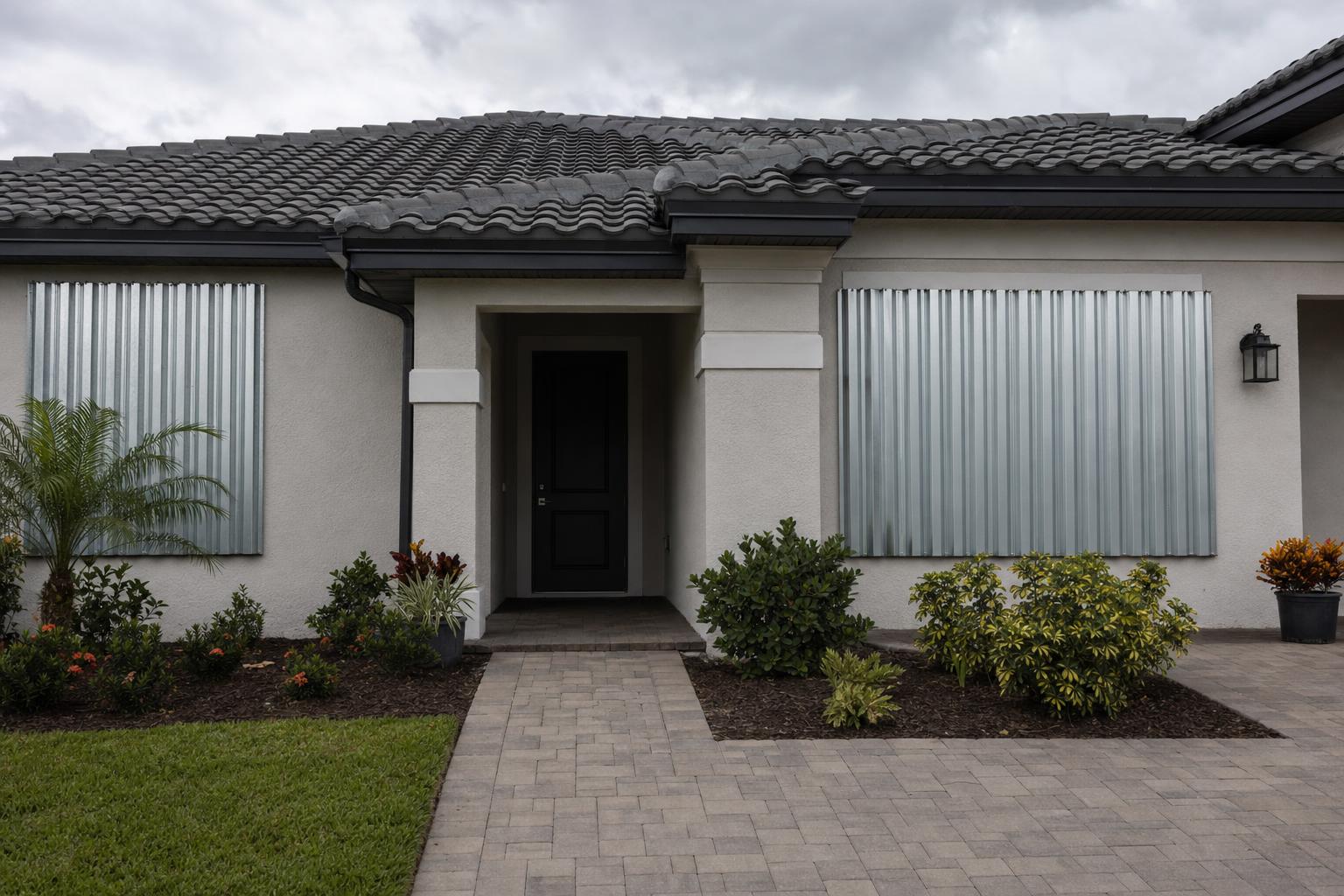
- Know how to secure your home quickly, including shutters and outdoor furniture.
- Ask your homeowners association about gate operations, storm shutter rules and post-storm communication.
Seasonal residents should also plan for being away. Arrange for someone to secure the home, and keep your zone and insurance information where you can reach them from up north. Our hurricane preparedness hub collects the storm-season basics for Southwest Florida.
This is general information. Always follow the instructions of Collier County Emergency Management and local officials during a storm.
Frequently Asked Questions
Is my evacuation zone the same as my flood zone?+
No. Evacuation zones are about storm surge and when to leave. FEMA flood zones are about flood insurance and building rules. Look up both for any Naples home.
If I live in zone E, will I ever have to evacuate?+
Possibly. Which zones are ordered out depends on the storm, so follow county announcements for each one.
Does the state map cover Collier County?+
The county page links to a statewide zone lookup, but the county’s own address tool is the most direct source for Collier addresses. You can also check the state’s Know Your Zone page.
Visit our Naples community guides or the full community list to see the evacuation zone for each neighborhood, then confirm your address with the county tool and contact your association about its storm plan.
Contractor directory
Find pros who already work behind your gate.
Browse contractors by trade and community, with license checks noted on each listing.
Rules and fees vary by community. Check your own governing documents and county sources before you rely on any article. Spot something out of date? Report a correction.