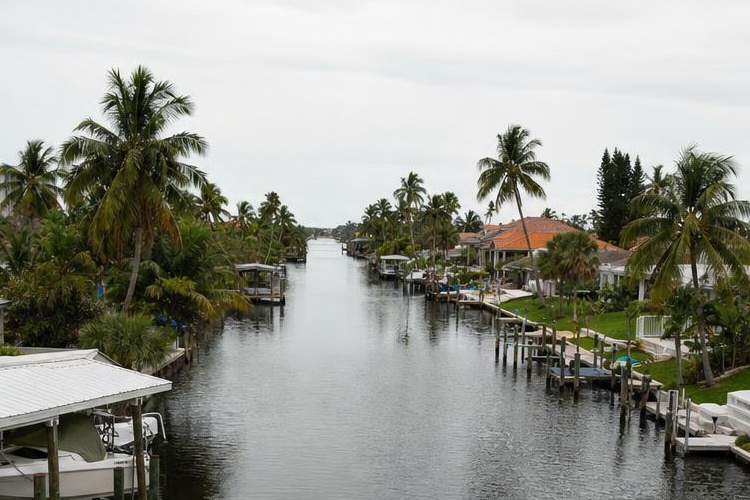

Most days, Naples beaches are exactly what people move here for. Every so often, though, a red tide bloom drifts close to shore, and the difference between a great beach day and a scratchy throat is a two-minute check before you leave the house. Red tide in Naples is tracked by Collier County, the state and the health department, and their reports are free. This guide explains what red tide is, where to check conditions, how to read the results and how to protect yourself and your pets when a bloom is present.
What Red Tide in Naples Is
Red tide is a bloom of a microscopic alga, Karenia brevis, that occurs naturally in the Gulf. At high concentrations it releases toxins that can kill fish and, when waves break, become airborne. That is why people on the beach may cough, sneeze or feel eye and throat irritation during a bloom, even if they stay out of the water.
Blooms come and go, and their length varies. They can also affect one beach and not another a few miles away, as the county’s beach-by-beach results often show. That variability is why checking current, beach-by-beach results matters more than general news about “red tide in Southwest Florida.”
Where to Check Before You Go
Three official sources cover Naples and the rest of Collier County:
- Collier County Pollution Control. The county’s red tide status page posts sample results for five beaches: Barefoot Beach, Vanderbilt Beach, Seagate Beach, Naples Pier and South Marco Beach. It also lists the next scheduled collection date and a short forecast.
- The state’s sampling map. The Florida Fish and Wildlife Conservation Commission maintains a statewide red tide current status map. FWC says the daily sample map shows the last eight days of sampling and updates daily at 5 p.m.
- The Florida Department of Health in Collier County. The health department issues red tide alerts for specific beaches when conditions call for them, with health precautions.
The county page shows the date of its most recent samples and a short forecast, so read both before you go. Conditions can change quickly, so check again before each trip rather than relying on last week’s results.
Matching a Sample Site to Your Beach
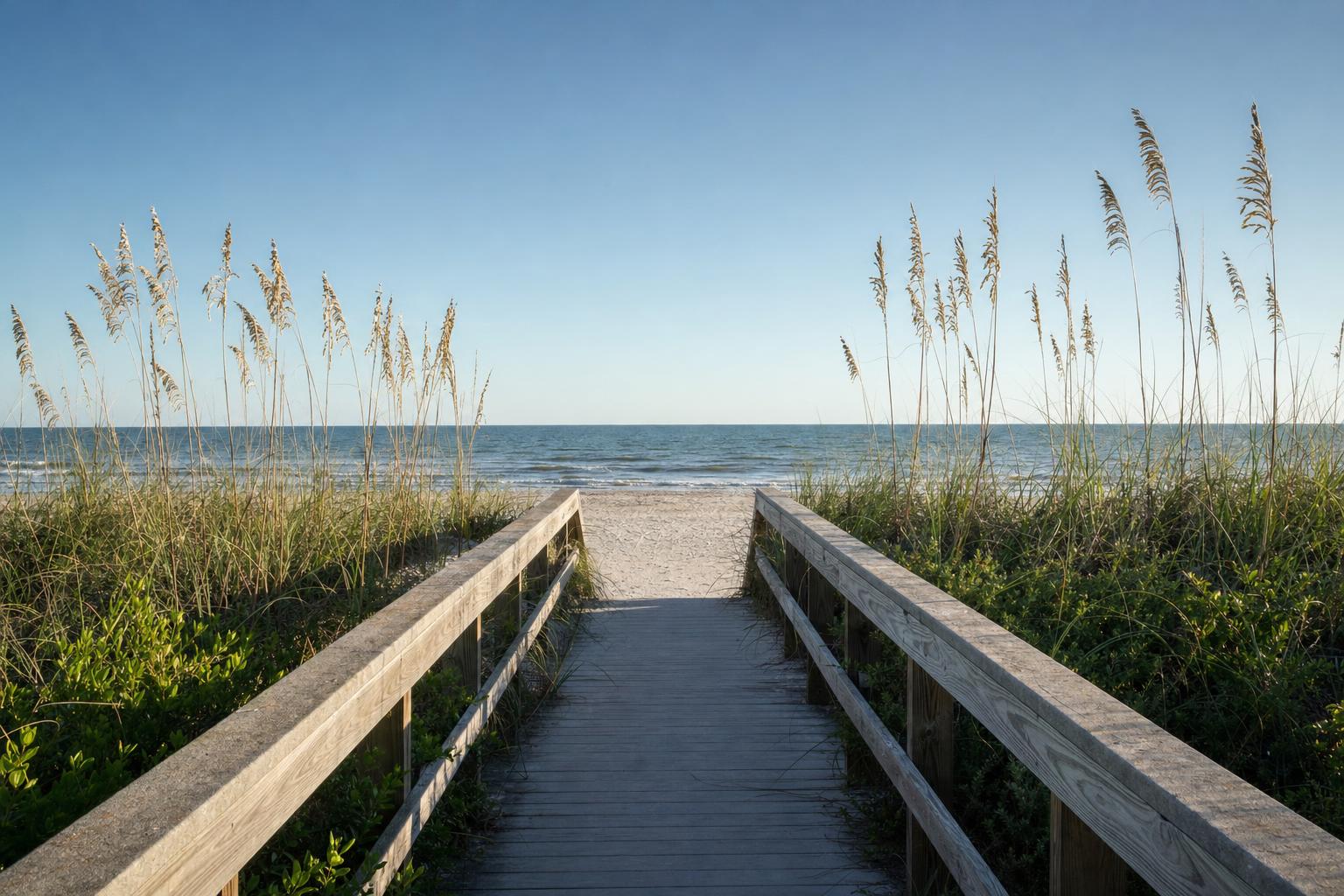
The county’s five sampling sites are spread along the coast. The county does not pair beaches with sites, so these are our estimates by location. Pick the one nearest the beach you plan to visit:
- Barefoot Beach sample: the closest reading for Barefoot Beach Preserve at the county’s northern edge, near Bonita Springs.
- Vanderbilt Beach sample: useful for Vanderbilt Beach Park, Delnor-Wiggins Pass State Park and the Bluebill Avenue and Conner Park accesses in North Naples.
- Seagate Beach sample: the nearest reading for Clam Pass Park on Seagate Drive.
- Naples Pier sample: likely the nearest reading for the city beaches downtown, including Lowdermilk Park on Gulf Shore Boulevard North.
- South Marco Beach sample: taken on the southern end of Marco Island.
If the closest site shows a bloom but a site several miles away is clear, the clear beach may be the better choice that day. Check the state map as well, since it can show additional sampling points between the county’s five sites.
How to Read the Results
Collier County’s page uses the concentration categories from the Florida Fish and Wildlife Research Institute, measured in Karenia brevis cells per liter of water:
Scroll table to compare columns
| Level | Cells per liter | Possible effects |
|---|---|---|
| Not present (background) | 0 to 1,000 | None anticipated |
| Very low | More than 1,000 to 10,000 | Possible respiratory irritation; shellfish harvesting closures at 5,000 or more |
| Low | More than 10,000 to 100,000 | Respiratory irritation; possible fish kills |
| Medium | More than 100,000 to 1,000,000 | Respiratory irritation; probable fish kills |
| High | More than 1,000,000 | As above, plus water discoloration |
A single sample is a snapshot from one spot and one day. If a nearby beach shows low or medium levels, or if you notice coughing on arrival or dead fish on the sand, assume conditions are poor and try another day or another place.
Health Precautions During a Bloom
When the Florida Department of Health in Collier County issues a red tide alert, its advice includes:
- Stay away from the water, and do not swim in waters with dead fish.
- If you had contact with red tide, wash your skin and clothing with soap and fresh water.
- People with chronic respiratory problems should be especially cautious.
- Keep pets and livestock away from the water, sea foam and dead sea life.
- Do not harvest or eat molluscan shellfish, or distressed or dead fish, from the affected area. Finfish caught live and healthy can be eaten if they are filleted and the guts are discarded.
- If you live near the beach, close windows and run the air conditioner.
You can also learn to read the beach itself. Dead fish along the waterline, people around you coughing or sneezing, and, at high concentrations, discolored water are all signs that a bloom may be nearby. None of these is a measurement, but each is a good reason to check the latest results before settling in for the day.
If you host visitors, send them the county status page and the state map before they arrive, along with a backup plan for a day away from the beach. Guests from out of state often have not heard of red tide and may not recognize the early signs.
For questions about exposure, the county’s page lists the Florida Poison Information Center at (800) 222-1222. To report a fish kill, FWC’s hotline is (800) 636-0511.

Planning Around Red Tide
A few habits make red tide a minor inconvenience instead of a ruined outing:
- Check the night before and the morning of. Look at the county results and the state map, and watch for any health alert.
- Have a backup plan. If the Gulf beaches are affected, a community pool, a nature preserve, a park or an inland outing can fill the day.
- Re-check on arrival. Conditions can differ from one hour to the next, so if you start coughing or see dead fish, move on.
- Bring what helps. People who are sensitive often keep medications on hand and leave if symptoms start.
- Protect pets. Dogs that swim in or lick foam and dead fish are at risk, so keep them on a leash and away from the water during a bloom.
Our beaches guide lists beach parks across the region, which helps when one stretch of coast is affected and another is clear.
What Red Tide Means for Residents
For Naples homeowners, red tide is mostly a quality-of-life issue. During a bloom, people living near the water may notice irritation at home, especially with windows open, and the health department’s advice to close windows and run the air conditioner applies to them. Boaters and anglers should follow fishing and shellfish guidance from FWC and the health department.
If you are comparing homes, our Naples community guides list nearby beach access points for each neighborhood, measured as straight-line distance. Knowing which beaches are closest makes it easier to switch to another one when your usual spot is affected.
This is general information, not medical advice. Follow current guidance from the Florida Department of Health in Collier County and talk to your doctor if you have a respiratory condition.
Frequently Asked Questions
How often does Collier County test for red tide?+
The county posts results for five beaches and lists the next collection date on its status page. Its recent schedule shows weekly collections, with results posted a day or so later.
Can I swim during red tide?+
The health department advises staying out of the water during a bloom and not swimming where there are dead fish. Check current alerts before you go.
Is red tide the same as blue-green algae?+
No. Red tide is a saltwater alga in the Gulf. Blue-green algae blooms occur in freshwater, such as lakes and rivers, and are tracked separately.
Before your next beach day, visit our beaches guide to pick a spot, then check the county’s latest results so you know what to expect.
Contractor directory
Find pros who already work behind your gate.
Browse contractors by trade and community, with license checks noted on each listing.
Rules and fees vary by community. Check your own governing documents and county sources before you rely on any article. Spot something out of date? Report a correction.