Few line items surprise buyers more than association dues. A gated community that looks modest from the street can still carry dues in the thousands of dollars a year. Colonial Country Club’s 2026 master assessment, for example, is $5,897 or $11,975 depending on the home. So why are HOA fees so high in Florida? The short answer is that dues pay for real costs that keep rising: insurance, reserves for future repairs, storm recovery, staff and amenities. This guide breaks those costs down, shows examples from the communities in our guides and explains how to read a budget before you buy.
Why Are HOA Fees So High in Florida? Start With the Budget
An association’s dues are its budget divided among the owners. If the budget rises, dues rise. Florida law requires homeowners associations to prepare an annual budget with estimated revenues and expenses, and to give each member a copy or written notice that one is available for free. Associations with 100 or more parcels must also post the budget on their website or app, under section 720.303 of the Florida Statutes.
That budget is the best tool you have. Instead of comparing one community’s dues against another’s, compare what each budget actually pays for. A higher fee that includes bulk internet, a staffed gate and a golf club can be a better value than a lower fee that includes almost nothing.
Insurance
Every association insures the property it owns, which can include a clubhouse, pools, gatehouses, walls, docks and, in condominium neighborhoods, the buildings themselves. In coastal Florida, property insurance for those assets is a major cost, and renewal premiums can change significantly from one year to the next.
Associations also carry liability coverage and directors and officers coverage. When renewal premiums jump, the board has two choices: raise dues or draw down other parts of the budget. Ask any association you are considering what its insurance cost last year, what it costs this year, what the deductibles are and when the policies renew.
Reserves for Future Repairs
Roofs, roads, pool equipment and clubhouse systems wear out. Reserves are money set aside each year so the association can replace them without a huge special assessment.
For homeowners associations, Florida law treats reserves as optional at first. Under section 720.303, a budget may include reserve accounts for capital expenditures and deferred maintenance. Reserves become required once members approve them by a majority of the total voting interests, and members can later vote to provide less than the required amount for a single budget year. When reserves are required, the amount is based on each item’s remaining useful life and replacement cost.
Condominium associations face stricter rules. Under section 718.112, residential condominium buildings three habitable stories or higher must complete a structural integrity reserve study at least every 10 years, covering items such as the roof, structure, fire protection, plumbing, electrical, waterproofing, windows and exterior doors. For budgets adopted on or after December 31, 2024, unit-owner-controlled associations that must obtain that study may not vote to reduce or skip reserves for those items. Many gated communities include condominium neighborhoods, so these rules can push dues higher in those sections. You can read the requirements in section 718.112 of the Florida Statutes, and ask any condominium association you are considering whether its study is complete and what it found.
Storm Repairs and Special Assessments
Hurricanes add costs that budgets do not always cover: debris removal, landscaping, fence and gate repairs, roof and dock damage, and insurance deductibles that can be large. When reserves and insurance fall short, boards may levy a special assessment, a one-time charge on every owner.
Our guides show how common capital charges are. Heritage Palms’ 2026 cost of ownership includes a $550 capital-improvement special assessment alongside its regular dues. Colonial Country Club’s informational packet notes special assessments for clubhouse, course renovation and master-plan projects. Spanish Wells’ 2026 master budget includes about $268 a year per owner in debt service.
The disclosure summary that Florida requires for homes in mandatory associations warns buyers that assessments may change and that special assessments are possible. Ask whether any are approved, planned or under discussion.
Staff, Security and Services
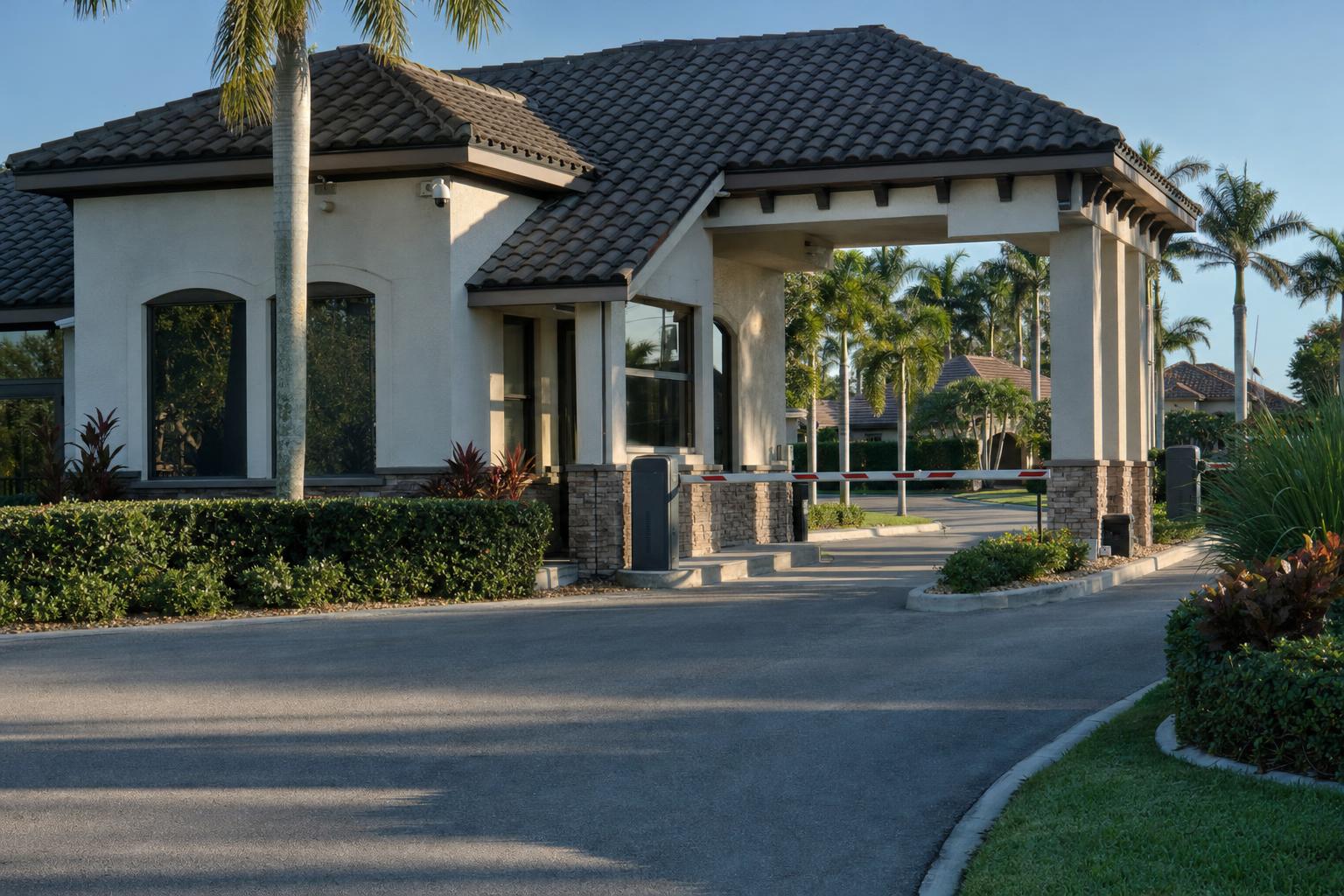
A gated community pays for the gate. Staffed gatehouses, roving patrols, access systems and camera maintenance are ongoing labor and equipment costs. Add management company fees, landscaping across common areas, lake and preserve maintenance, irrigation and lighting, and the total climbs quickly.
Some dues also include services you would otherwise pay for yourself. Colonial Country Club charges $225 a quarter for a community-wide cable and internet package, and Heritage Palms’ figures include $866 a year for cable and internet. Spanish Wells’ master budget covers bulk cable and internet, the 24-hour staffed main gate, roads, lakes and boulevard landscaping. Subtract those services from your household budget when you compare, since a bundled package can replace a separate monthly bill.
Amenities and Club Costs
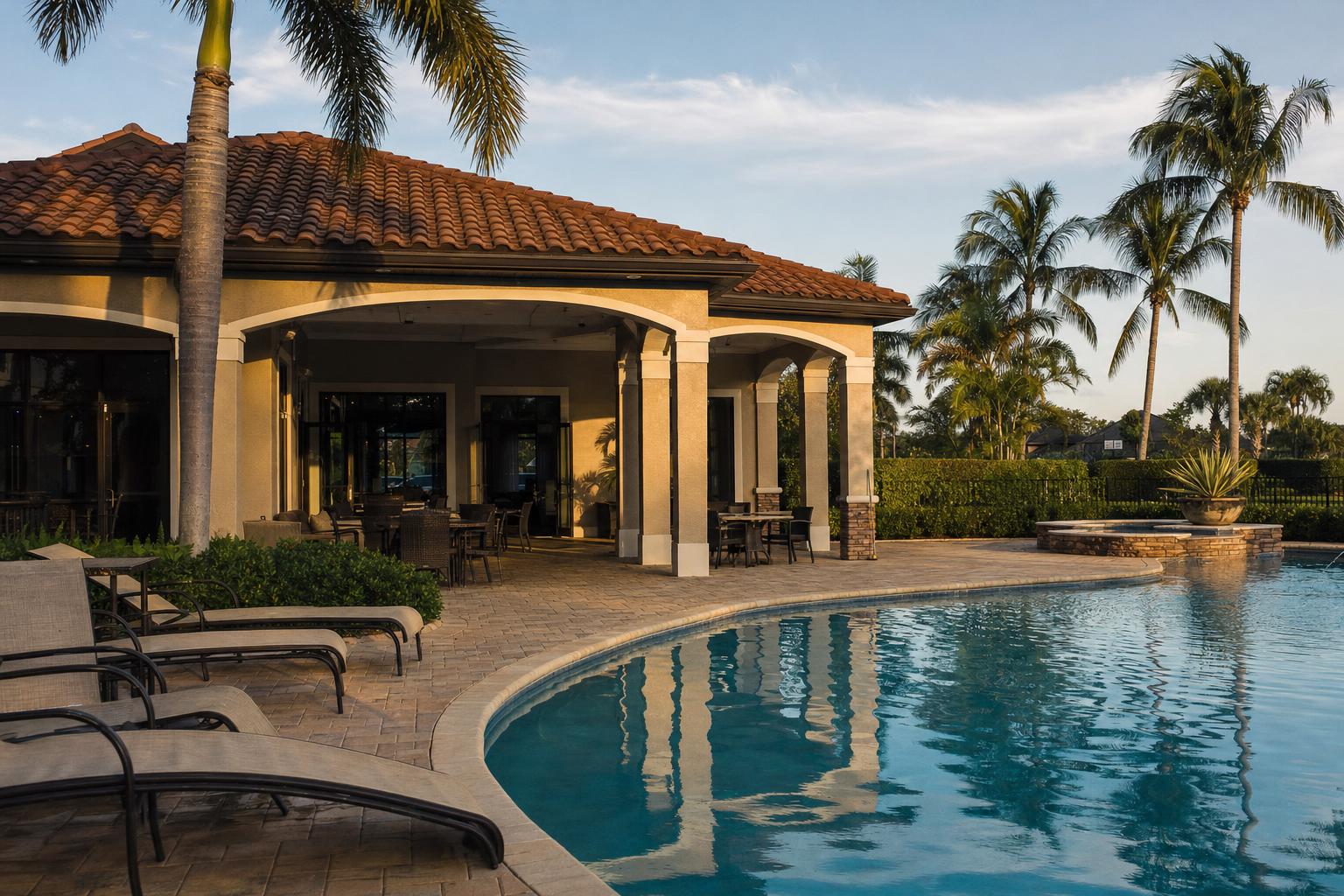
The biggest single driver is often the club. In bundled golf communities, every owner pays for the course, clubhouse, dining and staff. Colonial Country Club’s 2026 master assessment is $5,897 a year for Lakes Village homes and $11,975 for Golf Village homes, with club membership included. Heritage Palms lists $9,441 a year per home for 2026, including $8,025 in master dues with bundled golf.
Non-golf communities with large amenity centers carry real costs too. Pools, fitness centers, restaurants, sports courts and activity staff all need funding. Verdana Village, for example, lists $181 a month to its master association plus a neighborhood fee of roughly $161 to $221 a month for 2026.
Our Fort Myers guides and the rest of our community pages list published dues where the association’s own documents state them.
How to Read a Budget Before You Buy
- Get the current budget and last year’s actual results. Large gaps between budget and actual spending are worth asking about.
- Find the insurance line and ask how it has changed over the last three years.
- Look at reserves. Are they funded, partly funded or waived? Ask for the latest reserve study, if any.
- Ask about special assessments that are approved, planned or under discussion, and request the estoppel certificate before closing.
- Count every layer. Master, neighborhood and club dues, plus any CDD assessment on the tax bill.
- Read recent board minutes for discussions about roofs, roads, insurance or litigation.
What Owners Can Do About Rising Dues
Once you own, you have a voice in the budget. Florida law requires associations to give members the budget, and boards adopt it at meetings that owners can attend. A few habits help keep increases reasonable:
- Attend the budget meeting. Ask how each major line was set and what changed from last year.
- Ask about competitive bids for large contracts such as landscaping, security, management and insurance.
- Support a realistic reserve plan. Underfunding reserves keeps dues low today but raises the odds of a large special assessment later.
- Volunteer. Finance, landscaping and architectural committees shape many decisions before they reach the board.
None of these steps makes Florida’s insurance or storm costs disappear, but attending meetings and reading the budget helps you spot changes early. Before you buy, ask current owners how the last two budget cycles went; their answers tell you a lot about how the association is run.
This is general information, not legal or financial advice. Have your attorney or closing agent review the association’s documents and budget before you sign.
Frequently Asked Questions
Are HOA fees higher in Florida than elsewhere?+
Dues depend on what an association provides, so a fair comparison needs the same services on both sides. Florida associations carry hurricane exposure and coastal property insurance costs, and communities with staffed gates or large amenity packages budget for them, which raises dues.
Can my HOA raise fees without a vote?+
Often, the board adopts the annual budget under the community’s governing documents without a general member vote, but procedures differ, and special assessments may have their own approval rules. Read your declaration and bylaws, and ask an attorney if you are unsure.
Do HOA fees include the CDD?+
No. A CDD assessment appears on your county tax bill and is separate from association dues. Budget for both.
Visit our community guides to compare dues and CDD costs, and see our resources page for HOA basics before you request a community’s budget.
Contractor directory
Find pros who already work behind your gate.
Browse contractors by trade and community, with license checks noted on each listing.
Rules and fees vary by community. Check your own governing documents and county sources before you rely on any article. Spot something out of date? Report a correction.