Fort Myers vs Cape Coral at a Glance
The Fort Myers vs Cape Coral choice is less about which city is “better” and more about daily fit. They sit near each other in Lee County, but they feel different once you compare street patterns, water access, errands, housing styles, and the way gated communities are spread across each market.
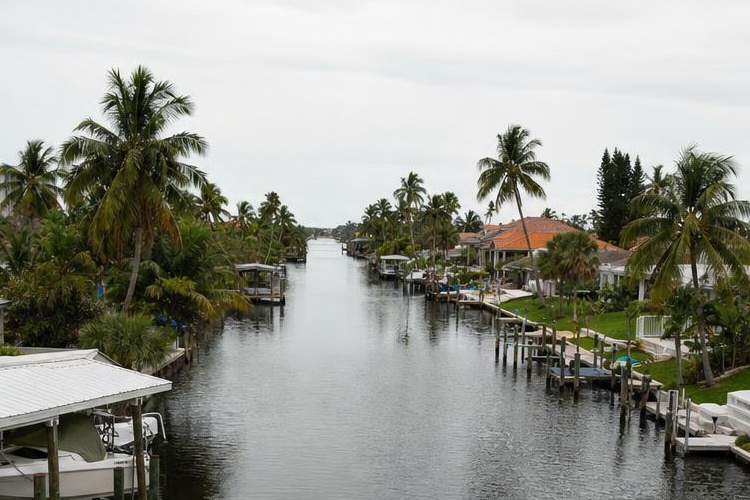
Fort Myers has the older urban core, a broader mix of established neighborhoods, and closer access to many countywide offices, medical corridors, and regional job centers. Cape Coral is larger in land pattern, known for its canal network, and often feels more residential once you move away from its main commercial roads.
For a broad city overview, the Fort Myers guide and Cape Coral guide are useful starting points. The U.S. Census Bureau QuickFacts comparison also gives a side-by-side public profile of both cities.
Scroll table to compare columns
| Factor | Fort Myers | Cape Coral |
|---|---|---|
| General layout | Older core with varied neighborhood patterns and regional corridors | Large residential grid with many canal and inland areas |
| Daily travel | Often closer to county services and some regional employment areas | Bridge and corridor routes can shape commute planning |
| Housing search | Mix of condos, townhomes, single-family homes, and gated communities | Broad single-family market with canal, inland, and gated options |
| Best first step | Compare drive times from specific addresses | Check bridge routes, flood details, and lot setting |
Location and Daily Travel
On a map, Fort Myers and Cape Coral look close. In daily life, bridges, traffic signals, school zones, seasonal visitors, and appointment times can make two similar distances feel very different. Buyers comparing the two cities should test routes at the same times they expect to drive them.
Fort Myers can be practical for people who want shorter access to many regional destinations east of the Caloosahatchee River. Depending on the address, it may reduce backtracking to county offices, medical appointments, higher-education sites, professional offices, and airport-area corridors.
Cape Coral sits west and north of Fort Myers across the river system. Many trips into Fort Myers, south Lee County, or the interstate corridor depend on a bridge and a main road connection. That does not rule Cape Coral out; it just means the specific quadrant of the city can change the daily experience.
A simple test works better than a broad opinion. Pick three addresses you would visit often, such as work, medical care, and a grocery store. Then compare the drive from actual homes or communities, not just from the center of each city.
Housing Patterns and Gated-Community Options
Fort Myers offers a wide housing mix because it includes older neighborhoods, infill sites, condominium areas, townhome pockets, and newer master-planned sections. That variety can be helpful if you want to compare different property types during the same trip. It also means two Fort Myers addresses can feel very different even when they share the same city name.
Cape Coral has a strong single-family pattern, with many homes arranged on a grid of residential streets. Canal frontage is part of the city’s identity, but inland homes are also a major part of the market. Lot orientation, seawall condition, bridge clearance, and boating access should be checked property by property when water access is part of the appeal.
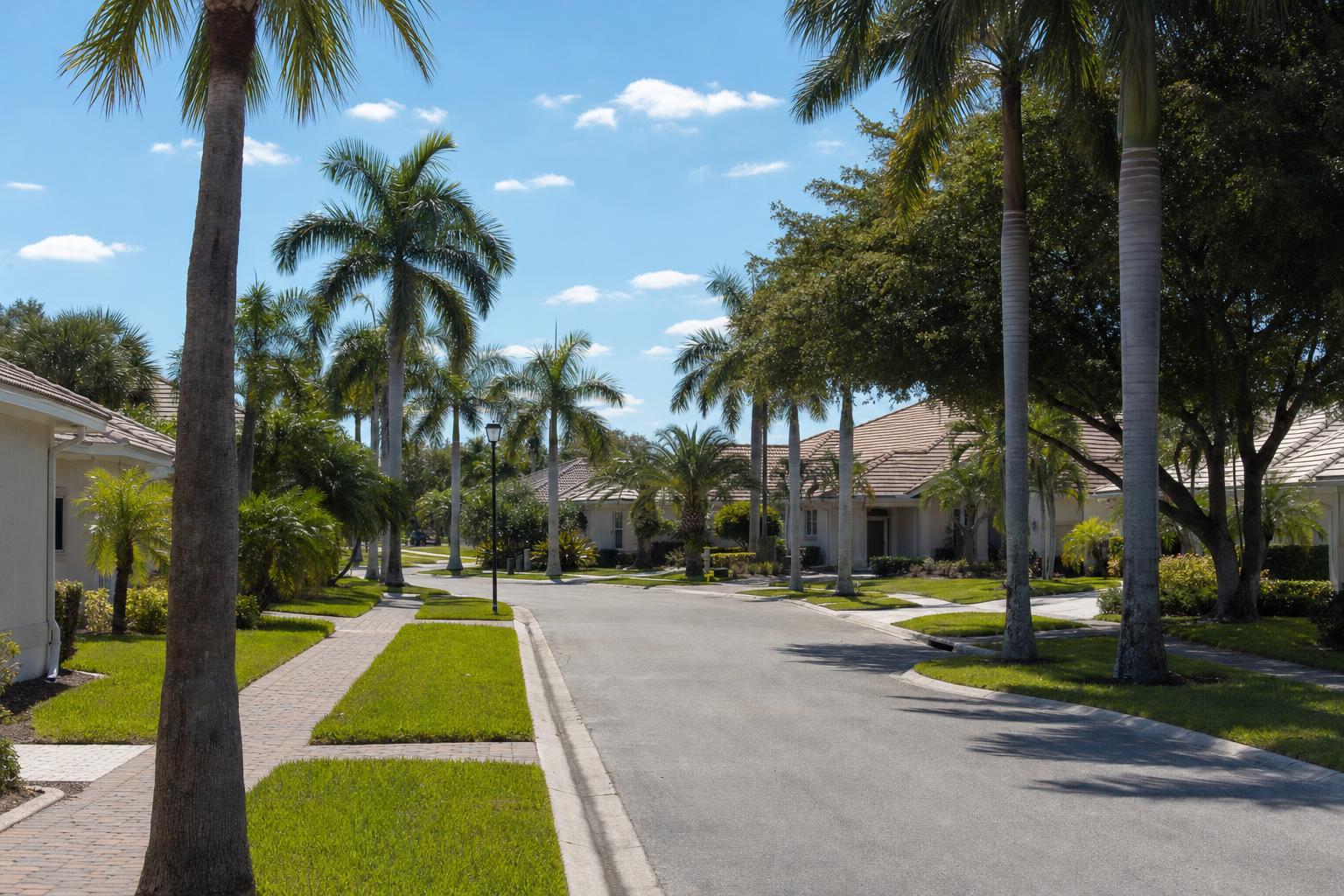
Gated communities exist in both cities, but the style and setting vary. Some are small enclaves with limited shared features, while others include larger common-area systems, private roads, and association-managed amenities. Gates should be viewed as an access-control and community-operations feature, not as a promise about security or resale.
Association documents deserve careful reading in either city. Review use rules, rental limits, pet rules, architectural standards, reserves, insurance responsibilities, and maintenance obligations before you rely on listing summaries. For a wider search, our Southwest Florida gated communities directory can help you compare community types without treating the gate as the only deciding factor.
Fort Myers may appeal to buyers who want more varied housing types near regional corridors. Cape Coral may appeal to buyers who want a wider residential grid, canal possibilities, or a more house-and-lot focused search. In both cases, the better comparison starts at the address level.
Flood, Storm, and Waterfront Checks
Southwest Florida buyers should treat flood and storm review as a normal part of due diligence. Riverfront, canal-front, low-lying, and inland properties can carry different questions, and the city name alone does not settle them. Elevation, flood zone, drainage, building age, roof condition, openings, and prior permits all deserve attention.
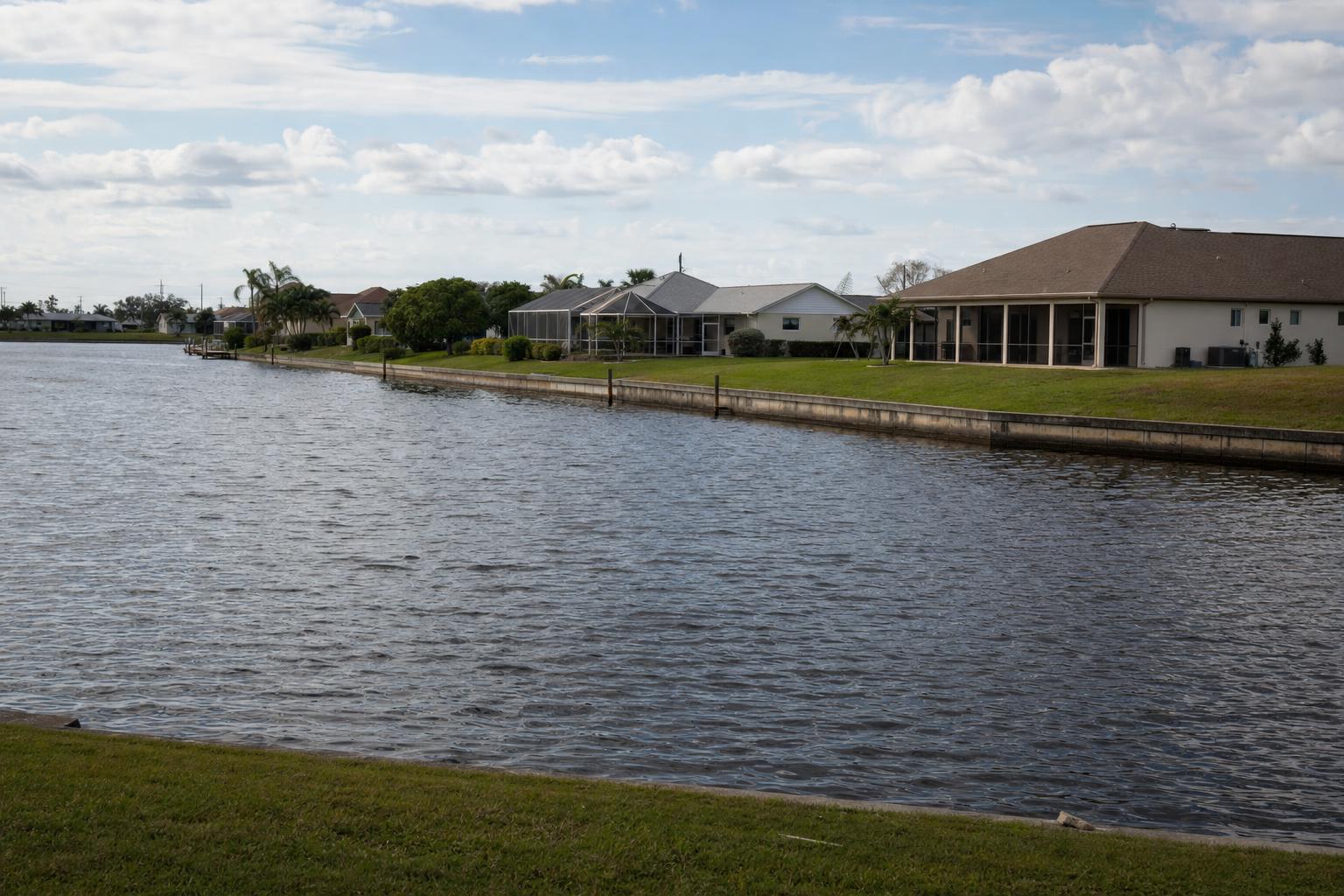
In Cape Coral, water access can add extra checks. A canal home may raise questions about seawalls, docks, lifts, saltwater or freshwater canal systems, bridge routes, and maintenance responsibility. A non-waterfront home may still need drainage and elevation review, especially if the lot sits in an area where heavy rain can collect.
In Fort Myers, river proximity, older construction, and redevelopment patterns can create a different checklist. Some properties may have older improvements or prior repairs that call for closer permit and inspection review. Others may be newer but still need flood, wind, and insurance questions answered before closing.
Insurance and flood details are general information until they are tied to a specific property. Buyers should confirm flood zone, elevation certificate availability, permit history, wind mitigation details, and coverage options with the proper public office, insurer, or licensed professional. Do not rely only on a map screenshot or a prior owner’s description.
City Services, Permits, and Routine Errands
City services can affect everyday convenience long after the purchase. Trash collection, permitting, utilities, code questions, parks, road projects, and meeting notices are handled through each city’s official channels. Cape Coral’s municipal services portal and Fort Myers’s local government website are the best public starting points for local government information.
Permit research is especially useful when a property has additions, window replacements, roof work, seawall work, docks, generators, screen enclosures, or major interior changes. A clean-looking home can still have missing records or questions that should be resolved before a buyer removes contingencies. Sellers may also need time to gather records, so ask early.
Taxes and assessments also need address-level review. Florida homestead rules, non-ad valorem assessments, community development obligations, association fees, and special assessments can vary by property. Confirm tax and assessment questions with the county property appraiser, tax collector, association manager, or a qualified tax adviser for the specific parcel.
Errands can be just as practical as formal city services. Compare grocery access, medical offices, veterinary care, bank branches, service providers, and preferred routes during the time of day you expect to use them. A home that looks central on a map may feel less convenient if your routine points the other way.
How to Tour Both Cities Without Mixing Signals
A good comparison trip should avoid jumping from one attractive listing to another without structure. Start by setting three or four non-negotiable checks, such as commute time, property type, flood review, and monthly carrying cost. Then compare each home or community against the same list.
Tour Fort Myers and Cape Coral on separate half-days if possible. That gives each city a fair look and reduces the chance that one strong listing overshadows a weaker location. Take notes right after each stop, including the street approach, nearby roads, noise, shade, drainage clues, and how the entrance or association areas are maintained.
Drive beyond the front gate or first block when allowed and appropriate. Look at surrounding land uses, turn lanes, sidewalks where present, utility work, and how far the property sits from daily stops. For gated properties, ask how guests, deliveries, contractors, and emergency access are handled, since entry systems vary.
Use the same questions for both cities. What is the realistic drive time at rush periods? Which public offices handle permits and utilities? What does the association maintain? What flood and wind documents are available? Which costs are fixed, and which could change after purchase?
After touring, sort properties into three groups: strong fit, possible fit with questions, and not a fit. This keeps the decision tied to facts rather than one feature, such as a water view, a newer kitchen, or a lower monthly fee. A calm comparison usually produces better questions for the next showing.
Frequently Asked Questions
Is Fort Myers or Cape Coral better for a gated-community search?+
Both cities have gated-community options, but they are not identical markets. Fort Myers often gives a broader mix of property types, while Cape Coral often centers more on single-family settings, including inland and canal-area homes. Compare documents, fees, rules, location, and maintenance scope before comparing gate features.
Does Cape Coral always mean waterfront living?+
No. Cape Coral is known for its canal network, but many homes are inland or do not provide boating access. If water access is part of the search, verify canal type, bridge limitations, dock permits, seawall condition, and maintenance duties for the exact property.
Is Fort Myers closer to daily services?+
Sometimes, but it depends on the address and the service. Fort Myers can be closer to certain regional offices, employment areas, and medical corridors, while some Cape Coral addresses are very convenient for local errands. Test the routes that match your actual routine.
Should flood risk decide the Fort Myers vs Cape Coral choice?+
Flood review should be part of the decision in both cities, not a shortcut for choosing one over the other. Check the parcel, elevation information, construction details, drainage, insurance options, and official records. A licensed insurance professional, inspector, surveyor, or local public office can help confirm property-specific details.
For a broader side-by-side search, visit our community directory for Southwest Florida gated communities and compare locations, property types, and association features before narrowing your list.
Contractor directory
Find pros who already work behind your gate.
Browse contractors by trade and community, with license checks noted on each listing.
Rules and fees vary by community. Check your own governing documents and county sources before you rely on any article. Spot something out of date? Report a correction.