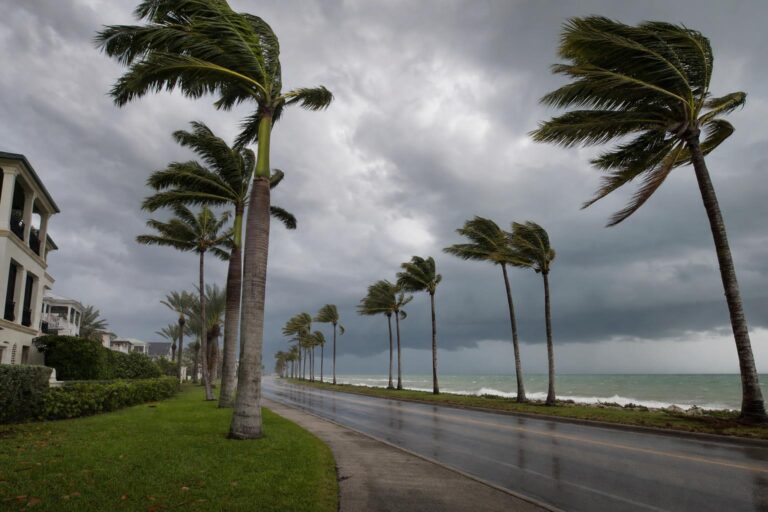
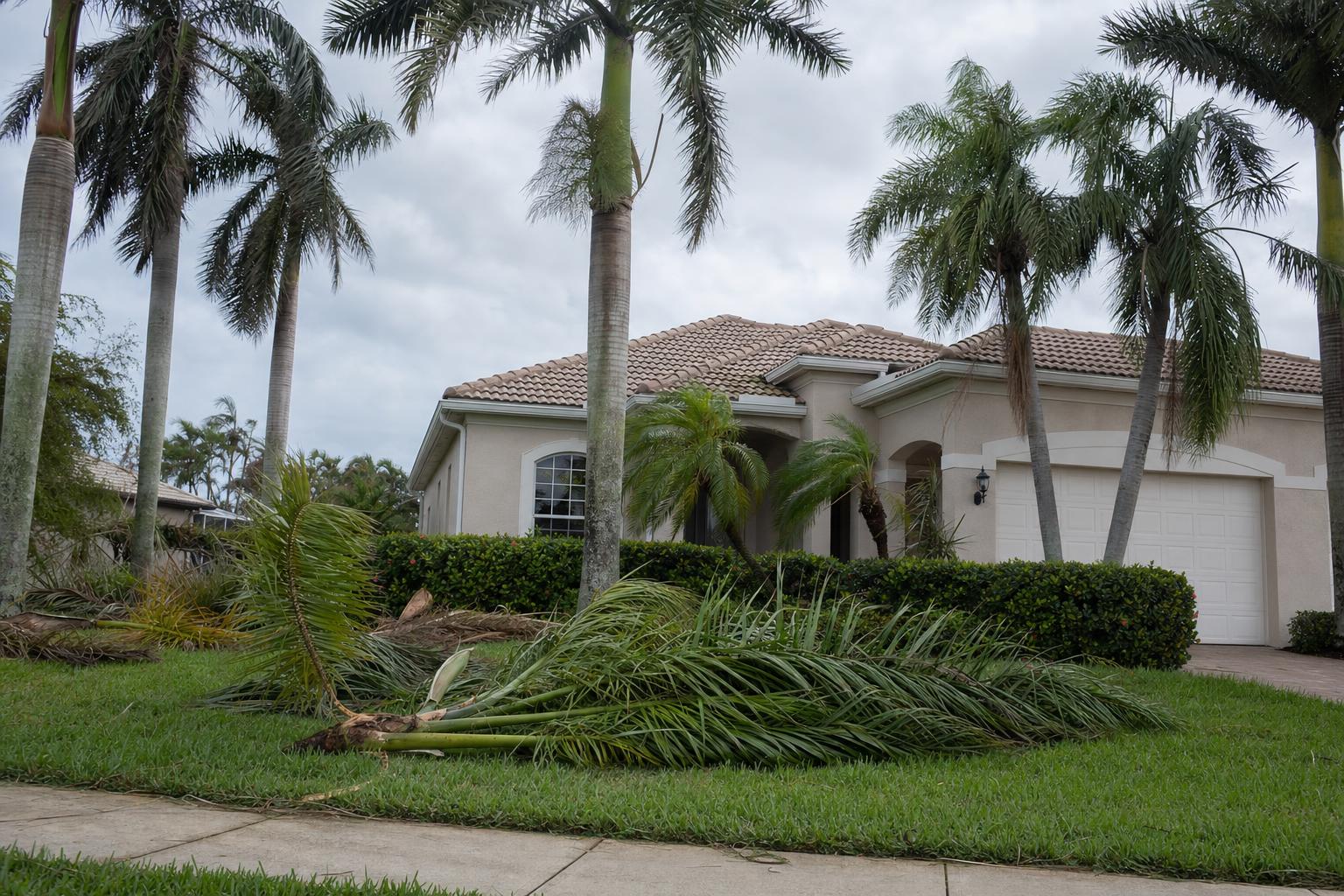
The first hours after a storm can feel scattered. This checklist helps Florida homeowners return safely, reduce further damage, and keep records organized after a hurricane. Conditions vary by county, neighborhood, structure, and insurance policy, so treat this as general information and confirm your situation with local officials, your insurer, or a licensed professional when needed.
For broader planning before and after landfall, keep our Southwest Florida hurricane guide bookmarked.
Return Safely and Check Immediate Conditions
Do not rush back to the property just because the worst weather has passed. Return only when local officials say it is allowed, and expect road closures, standing water, debris, damaged traffic signals, and limited services. If you evacuated, check official county or city updates before driving home.
When you arrive, pause before entering. Look for sagging roof sections, leaning walls, shifted stairs, broken glass, wildlife, fuel odors, and water near electrical equipment. If the structure looks unstable, stay out and contact the proper public office or a licensed professional.
Check people, pets, and essential health needs before property tasks. If it is safe, check on nearby neighbors and anyone who may need mobility, medical, oxygen, refrigeration, or communication support. Avoid entering another property unless invited or there is an obvious emergency.
If anyone is injured, trapped, or facing an immediate life-safety risk, call emergency services. Keep phones charged, but conserve battery where possible; text messages may go through when calls do not.
The federal Ready.gov hurricane guidance advises people to avoid floodwater, stay away from downed power lines, and use generators only outdoors. Those points are especially important in Southwest Florida, where wind damage, storm surge, heavy rain, and canal or drainage overflow may create hazards that are not visible from the street.
Manage Utilities, Generators, and Household Hazards
If you smell gas, hear a hissing sound, or suspect a leak, leave the area and contact the utility provider or emergency officials. Do not flip switches, light flames, or use devices that could create sparks. If water is entering outlets, panels, appliances, or extension cords, stay clear and wait for qualified help.
Generator safety deserves special care. Never run a generator in a garage, lanai, carport, breezeway, enclosed porch, or near open windows. Carbon monoxide can build up quickly, and fans or open doors do not make indoor generator use safe.
Use flashlights instead of candles if power is out. If you must move around in dark areas, wear sturdy shoes, gloves, and long sleeves. Storm debris can include nails, metal edges, broken tile, splintered fencing, and displaced landscaping materials.
Food safety is another common post-storm issue. When power has been out for an unknown period, do not rely on appearance or smell alone. If you are unsure whether refrigerated or frozen food stayed at a safe temperature, discard it rather than risk illness.
Document Damage Before Cleanup
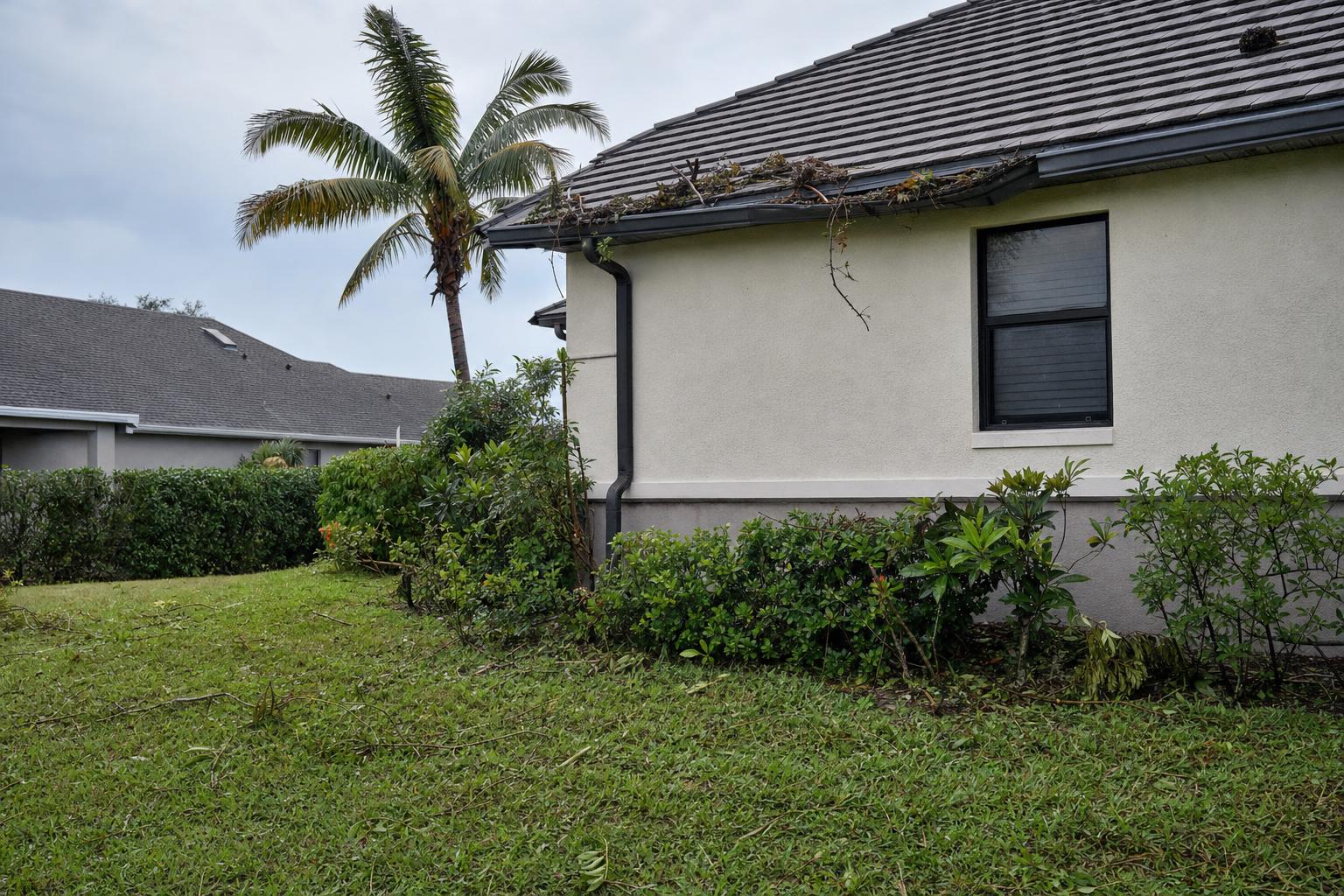
Before moving debris or making temporary repairs, document the property as clearly as possible. Take wide photos of each side of the home, roofline, yard, pool area, garage, driveway, fencing, docks if applicable, and detached structures. Then take close-up photos of damaged areas.
Inside, photograph each affected room from the doorway and from several angles. Capture ceilings, walls, floors, cabinets, built-ins, appliances, furniture, and personal property. If water entered the home, mark or photograph the high-water line where it is visible.
Video can help show the path of damage, but photos are often easier to sort and submit. Keep files organized by date and area of the home. Do not delete blurry photos until you have better ones, because even imperfect images may help show timing or condition.
Make a simple written log. Include the date and time you returned, what you found, who you spoke with, claim numbers, repair contacts, and receipts. If you buy tarps, plywood, fans, fuel, cleaning supplies, or temporary lodging, save the receipts and take photos of them as backup.
Limit Additional Damage Without Taking Unsafe Risks
Homeowners are often expected to take reasonable steps to prevent added damage, but personal safety comes first. Cover a roof opening with a tarp only if it can be done safely from the ground or by a qualified person. Do not climb on a wet, damaged, or steep roof after a hurricane.
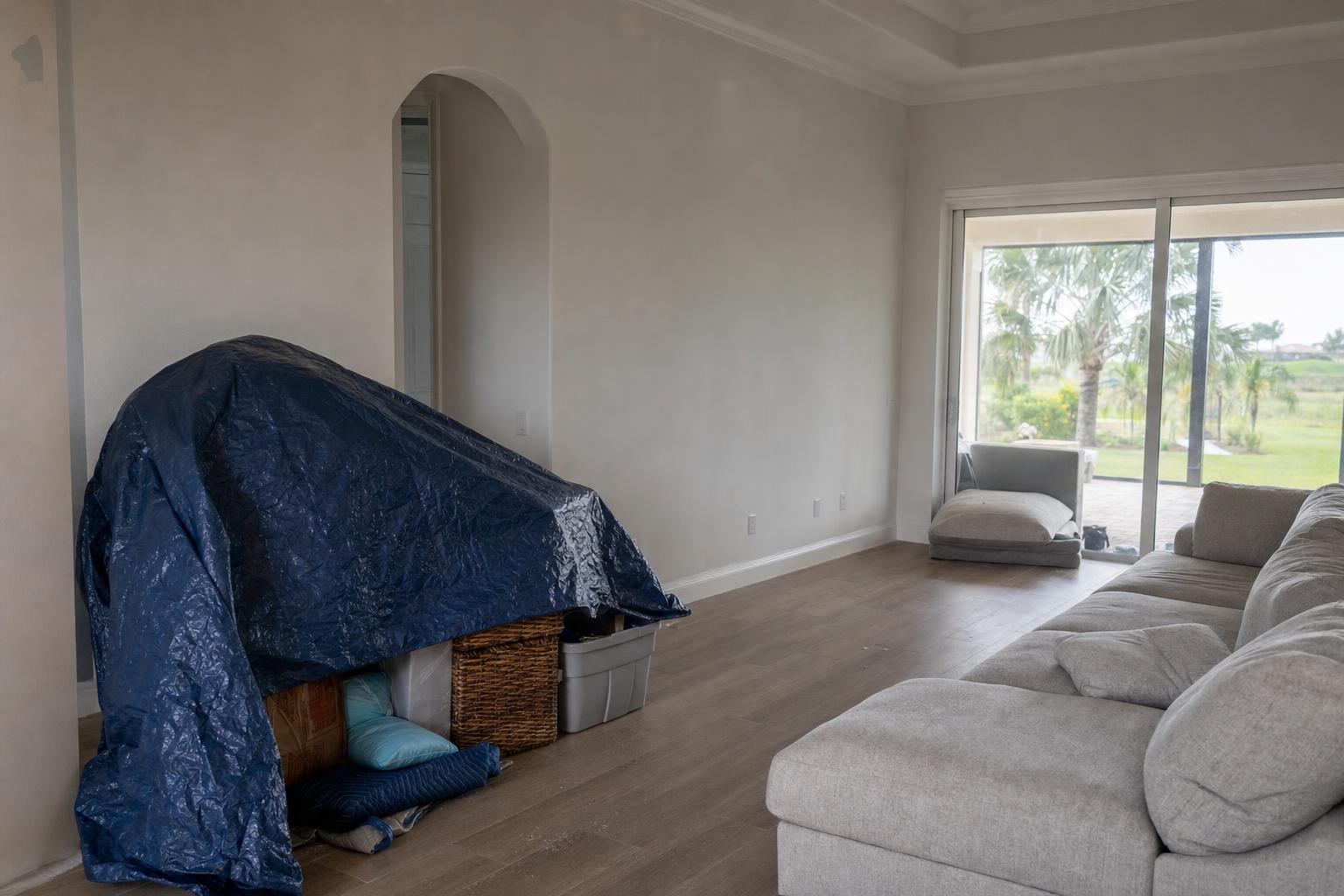
If water is inside, remove saturated loose items when safe and photograph them first. Move undamaged belongings away from wet areas. Open cabinets and interior doors if conditions allow, but do not run wet electrical equipment.
For homes with pools, cages, docks, seawalls, elevators, gates, or irrigation systems, avoid operating damaged equipment until it has been checked. Saltwater, debris, and hidden electrical damage can create hazards even when equipment appears normal.
The Florida Division of Emergency Management hurricane supply checklist is also useful after a storm because it reminds residents to maintain water, food, batteries, medication, sanitation items, and other basics during outages or limited store access.
Contact Insurance, Assistance Programs, and Local Offices
Report damage to your insurance company as soon as practical, using the claim process your carrier provides. Ask what documentation they want before disposal of damaged items. Also ask whether temporary repairs require prior approval or specific photos.
Wind, water intrusion, flood, sewer backup, and exterior structure damage may be handled differently depending on the policy and cause of loss. Read your policy and speak with your insurer or a licensed insurance professional about your own coverage. If you have separate flood insurance, that may involve a different claim process.
If a federal disaster declaration applies to your county and individual assistance is available, homeowners and renters may be able to apply through FEMA. The FEMA guidance for after applying explains that applicants can check status, review letters, and follow up on requested information.
Scroll table to compare columns
| Task | Why it helps |
|---|---|
| Save claim and application numbers | Keeps calls, uploads, and inspections tied to the correct file. |
| Keep receipts in one folder | Supports questions about temporary repairs, supplies, and displacement costs. |
| Track calls and emails | Creates a timeline if several companies or offices are involved. |
| Confirm permit requirements | Helps avoid repair delays or work that must be redone. |
Contact your city or county building department before major repairs, structural work, electrical work, roof replacement, flood-damage repair, or substantial remodeling. Permit rules, floodplain requirements, inspection steps, and emergency repair policies can differ by jurisdiction. Confirm your situation with the named public office before work begins.
Choose Repair Help and Set Recovery Priorities
Storm damage brings out many legitimate tradespeople, but it can also attract unlicensed or high-pressure operators. Be cautious with anyone who demands large upfront payments, asks you to sign quickly, refuses to provide license and insurance information, or tells you not to contact your insurer or local building department.
For local repair research, our Southwest Florida contractor directory can help homeowners identify categories of service providers to contact and compare. Always verify licensing, insurance, references, scope, payment terms, permits, and written contracts on your own before hiring.
If you live in a gated or deed-restricted community, check association procedures before placing dumpsters, storing materials outside, removing trees, changing exterior finishes, or scheduling major work. Emergency repairs may be treated differently from permanent repairs, but rules and approval steps still matter. Community management may also have gate access procedures for contractors and adjusters.
Residents comparing neighborhoods or relocating after storm damage can use our Southwest Florida gated communities directory to review community pages and general area information. Storm experience should be evaluated property by property, not by broad assumptions about a city, county, or gate.
Keep communication practical and written when possible. Send photos, proposed work descriptions, and access needs to the association, insurer, or contractor. A clear record helps reduce confusion when many repairs are happening at the same time.
Set priorities for the days and weeks after the storm. Life safety, weather protection, water removal, electrical hazards, sanitation, and secure openings usually come before cosmetic work. A damaged soffit may matter, but an active roof leak or unsafe panel needs faster attention.
Expect delays after a major regional event. Materials, inspections, adjuster appointments, debris pickup, and contractor schedules can all be strained. Avoid making permanent decisions under pressure if a temporary repair can protect the home safely while you gather better information.
Separate cleanup into zones such as exterior debris, wet interiors, personal property, mechanical systems, and paperwork. Trying to do everything at once can lead to missed photos, lost receipts, or unsafe shortcuts.
Watch for mold and indoor air concerns after water intrusion. Drying time depends on materials, moisture level, ventilation, and power availability. If water entered walls, cabinets, insulation, or HVAC components, ask an appropriate licensed or certified professional what evaluation is needed for your situation.
Finally, keep a storm file for the property after the immediate crisis ends. Store photos, permits, invoices, warranties, insurance letters, elevation or flood documents if you have them, and repair records. Those files can be useful for future claims, resale questions, maintenance planning, and association records.
Frequently Asked Questions
How soon should I go back to my Florida home after a hurricane?+
Return only when local officials say it is allowed and the route is passable. Even then, use caution around standing water, power lines, debris, unstable structures, and limited services. If the home appears unsafe, stay outside and contact the proper public office or a licensed professional.
Should I clean up before the insurance adjuster comes?+
You can usually take reasonable steps to prevent more damage, but document everything first. Take photos and videos before moving items, keep damaged materials if your insurer asks, and save receipts for temporary repairs. Ask your insurance company what they want preserved or photographed.
What if my home has both wind damage and flooding?+
Document all damage carefully and report it to the appropriate insurer or insurers. Wind and flood coverage may involve separate policies, different adjusters, and different claim rules. Ask your insurer or licensed insurance professional how your specific policies apply.
Do I need permits for hurricane repairs?+
Many repairs may require permits, especially roofing, structural, electrical, plumbing, mechanical, flood-related, or major exterior work. Rules vary by city, county, and project type. Confirm requirements with your local building department before authorizing permanent repairs.
For more local storm planning and recovery topics, visit our Southwest Florida hurricane center and keep official county updates close during active events.
Contractor directory
Find pros who already work behind your gate.
Browse contractors by trade and community, with license checks noted on each listing.
Rules and fees vary by community. Check your own governing documents and county sources before you rely on any article. Spot something out of date? Report a correction.