Moving to Fort Myers works best when you separate the postcard image from the daily details. A “Fort Myers” address can mean the City of Fort Myers, an unincorporated Lee County location, or a nearby area using a Fort Myers mailing address. That distinction can affect services, taxes, utilities, flood review, insurance questions, community rules, and commute patterns.
This guide is for practical planning, not legal, insurance, tax, or engineering advice. Use it to build a checklist before comparing homes, gated communities, condo associations, or new construction.
Moving to Fort Myers: Start With the Address
Fort Myers is an incorporated city in Lee County, but many listings that appear to be “Fort Myers” may sit outside city limits. Confirm the parcel location, not just the mailing city in a listing. The answer can affect which public office handles permits, code questions, trash service, utilities, police response, storm debris procedures, and development review.
The U.S. Census Bureau QuickFacts profile is a useful official starting point for city-level population and housing data. For city services, departments, and notices, use the official city website. For county land development and flood information, Lee County may be the office to check.
Ask three early questions: Is the property inside the City of Fort Myers? Is it in unincorporated Lee County? Is it in an HOA, condo association, CDD, or private community with separate rules and fees? Two homes a short drive apart can have different contacts, costs, and review steps.
City Limits, County Services and Community Rules
A city address may place you under City of Fort Myers rules and services. An unincorporated address may fall under Lee County for land development, permitting, and certain local services. Utility providers, storm procedures, and emergency contacts may not match the mailing address, so verify each item before you rely on assumptions.
Scroll table to compare columns
| Question | Why to check it |
|---|---|
| Is the parcel inside city limits? | It can affect permits, services, code questions, and public contacts. |
| Who provides water, sewer, and trash service? | Service areas do not always follow the mailing city. |
| Is there an HOA, condo association, or CDD? | Recurring fees and rules can add to ownership costs. |
| Which flood zone and elevation data apply? | Flood review can affect insurance, renovations, and storm planning. |
If you are considering gated neighborhoods, compare public jurisdiction with private community rules. Gate access, architectural standards, rental policies, pet limits, parking rules, landscaping, and exterior maintenance may be handled by the association. For a broader look, browse our Fort Myers gated community listings, then verify details directly with the association, manager, builder, or public office.
Choosing the Right Fort Myers Area
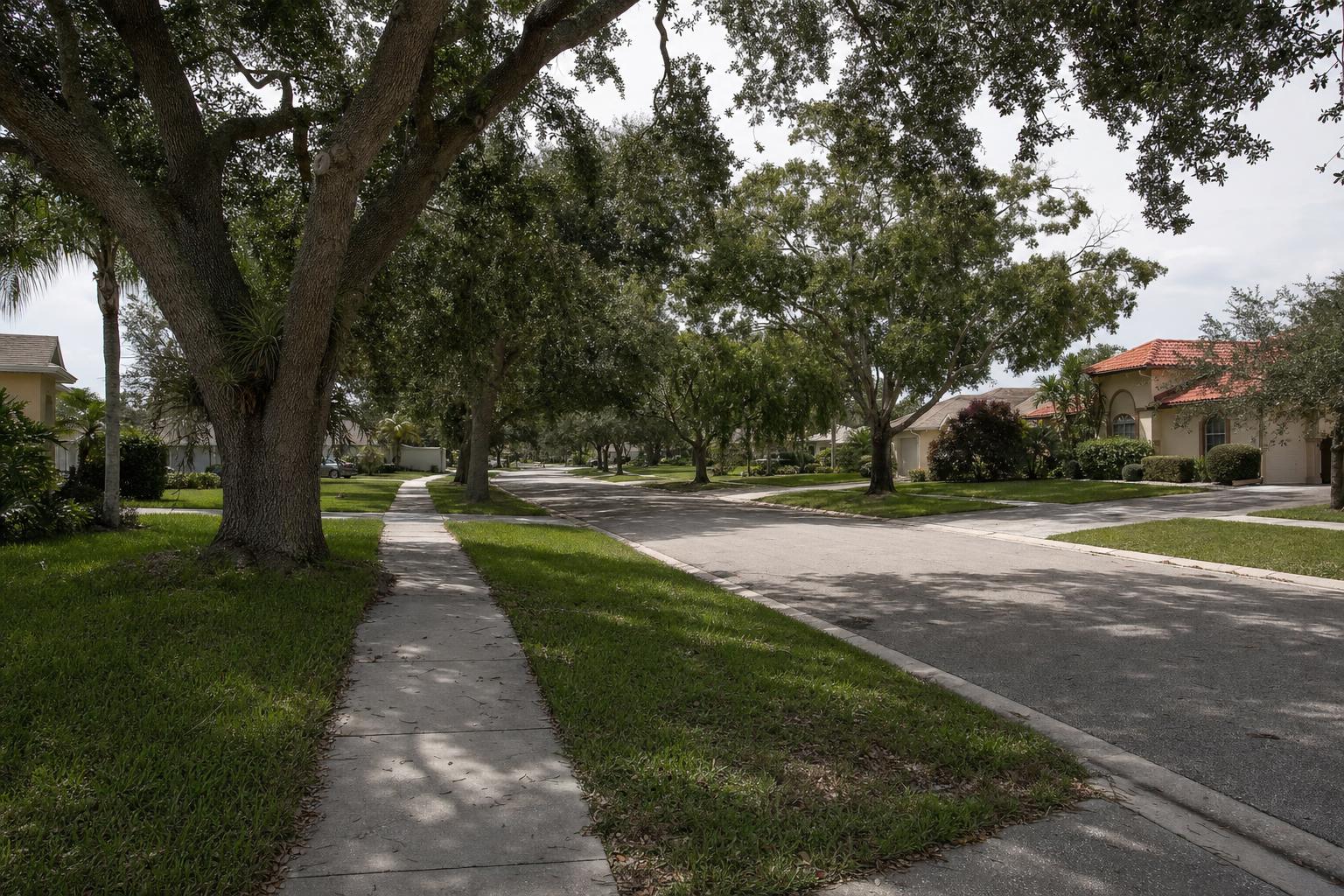
Fort Myers area choices usually involve tradeoffs. Some buyers want a shorter route to downtown offices, medical services, dining, schools, or the airport. Others focus on space, newer construction, golf settings, boating access, amenities, or quieter streets farther from major corridors.
Close-in areas may offer shorter local trips and established streets, but older homes can bring questions about roof age, elevation, plumbing, electrical systems, drainage, and renovation history. Newer areas may offer modern layouts, energy features, and community amenities, while adding longer drives during peak times. Neither choice is automatically better; the better fit depends on your normal week.
Test traffic in person when possible. Drive from the home to work, school, medical appointments, grocery stops, and the airport at the times you would actually travel. Bridges, river crossings, major arterials, construction, school traffic, and seasonal visitor patterns can change a trip that looks simple on a map.
Also compare the housing format. A single-family home in an association may have different maintenance duties than a condo, villa, or non-gated home. A non-gated street may offer fewer association rules but more direct owner responsibility. A gated community may include private roads, common areas, landscaping, stormwater systems, or amenities, usually funded through dues, reserves, or assessments.
Budgeting Beyond the Purchase Price
The purchase price is only one part of moving to Fort Myers. A practical budget should include property taxes, homeowners insurance, possible flood insurance, HOA or condo fees, utilities, pest control, lawn care, pool care if applicable, roof maintenance, HVAC service, and storm preparation supplies. Some costs are monthly; others arrive as annual bills, renewals, or special assessments.
Property taxes can vary by assessed value, exemptions, taxing districts, and other factors. Insurance costs can vary by structure type, roof age, wind mitigation features, flood zone, elevation, prior claims, and carrier underwriting. Confirm tax questions with the county property appraiser or tax collector, and confirm insurance questions with a licensed Florida insurance professional.
Association fees deserve close reading. Ask what the fee covers, how reserves are funded, whether roads are public or private, and whether recent or planned assessments have been disclosed. For condos, review financial statements, reserves, insurance responsibilities, building maintenance history, rental policies, pet rules, parking rules, and approval procedures with qualified help when needed.
Utility and maintenance costs can shift by location and property type. Irrigation source, water and sewer provider, lot size, landscaping style, pool equipment, appliance age, and HVAC condition all affect the monthly picture. Before closing, request available service history and inspect major systems during the due diligence period.
Use our Southwest Florida community directory to compare locations, but do not stop at marketing materials. Request current documents from the seller, association, manager, or builder. If a rule, fee, lease restriction, or approval step could affect your plans, get the answer in writing before your deadline to cancel or renegotiate expires.
Flood, Wind and Storm Due Diligence
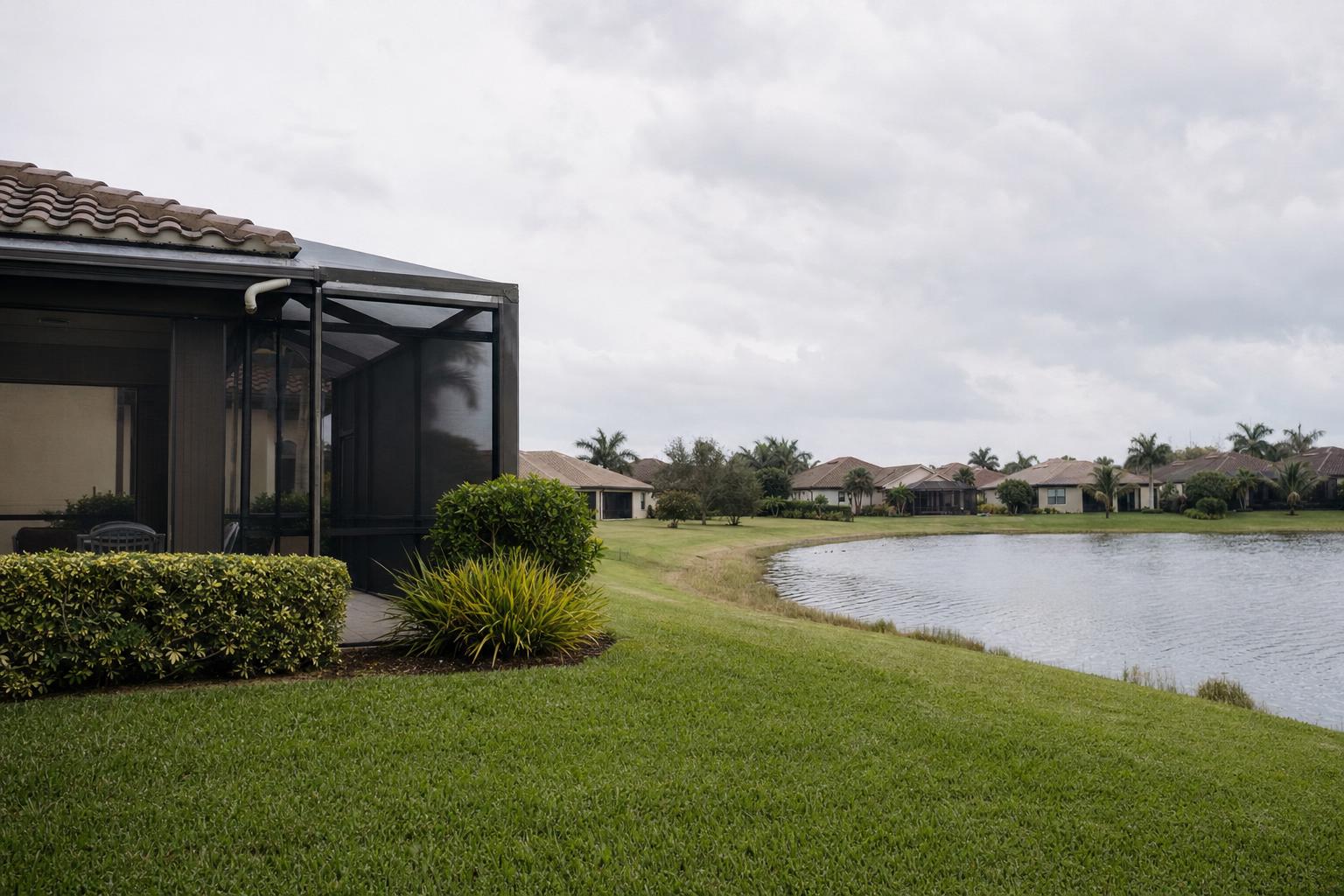
Storm planning is part of coastal Florida ownership, including inland parts of Lee County. Flood risk, wind exposure, evacuation planning, roof condition, drainage, shutters, openings, and insurance availability should be reviewed before you commit to a property. A home does not need to be on the beach to deserve careful flood and storm review.
Lee County provides public flood information through its Lee County flood information page. Use public tools as a starting point, then ask your insurance agent, surveyor, inspector, or engineer to help interpret what applies to the specific address. Flood maps, elevation certificates, and building history can affect both risk planning and cost planning.
During inspections, pay attention to roof age and covering, shutters or impact-rated products, garage doors, grading, drainage, exterior materials, attic ventilation, and signs of past moisture. Ask whether permits were pulled for major work. Permit history is not a guarantee of condition, but it can help you understand what has been documented.
Storm preparation also includes daily logistics. Know where shutters or panels are stored, how long setup takes, which supplies you need, and whether the association has rules for shutter installation, generators, debris placement, or post-storm repairs. For broader preparation steps, read our Southwest Florida hurricane guide and match it to the property you are considering.
Moving Timeline and Local Setup
A clean timeline makes the move easier. Start with address verification, insurance quotes, flood review, association document review, inspection scheduling, and any financing requirements. If you are using a lender, ask early about requirements tied to flood insurance, condo approval, property condition, reserves, or association budget items.
After a contract is signed, line up utilities, internet, mail forwarding, driver license updates, voter registration, vehicle registration, and community gate access forms. Some associations require owner or tenant applications, vehicle decals, pet records, lease approvals, orientation, or move-in scheduling. Ask about elevator reservations and delivery rules if you are buying in a multi-story building.
Before arrival, build a storm-season starter kit and a home maintenance file. Keep insurance contacts, association contacts, warranty information, elevation documents, inspection reports, survey records, permits, and appliance manuals in one place. If you will be away for long periods, decide how the property will be checked, ventilated, secured, maintained, and prepared before storms.
A final walk-through should be more than a quick look at furniture removal. Check for roof leaks, active water issues, running HVAC, appliance condition, pool equipment, irrigation, shutters or panels, remotes, keys, gate devices, mailbox access, and association transfer items. Ask your real estate, legal, insurance, and inspection professionals for guidance within their licensed roles.
Frequently Asked Questions
Is Fort Myers the same as unincorporated Lee County?+
No. Fort Myers is an incorporated city, while nearby unincorporated areas may use a Fort Myers mailing address. Confirm the parcel location so you know which public office handles services, permits, flood questions, and code matters.
Should flood insurance be checked even away from the coast?+
Yes. Flood risk is not limited to beachfront property. Review the flood zone, elevation information, drainage, insurance options, and lender requirements for the specific address before relying on general area assumptions.
Are gated communities in Fort Myers all structured the same way?+
No. Fees, rules, reserves, amenities, maintenance duties, road ownership, rental policies, and approval steps can differ widely. Read the current association documents and budget before making a decision.
What costs surprise new Fort Myers homeowners?+
Insurance, association fees, roof maintenance, HVAC upkeep, pest control, lawn or pool care, and storm preparation can surprise buyers who only budget for the mortgage. Build a full ownership worksheet before comparing homes.
For more local planning and community research, visit our Fort Myers area guide and compare it with specific documents, inspections, and public records for the address you are considering.
Contractor directory
Find pros who already work behind your gate.
Browse contractors by trade and community, with license checks noted on each listing.
Rules and fees vary by community. Check your own governing documents and county sources before you rely on any article. Spot something out of date? Report a correction.