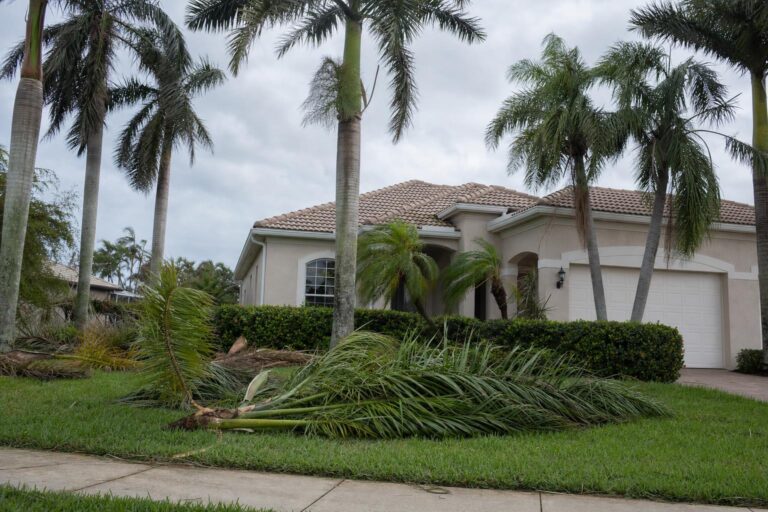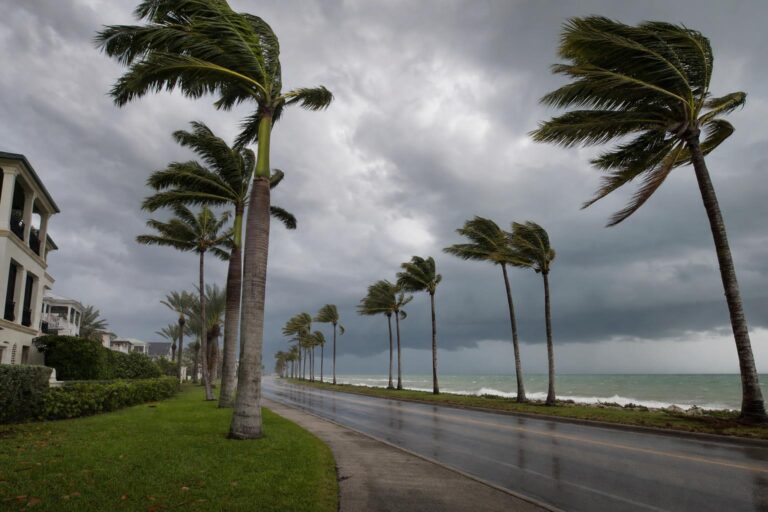
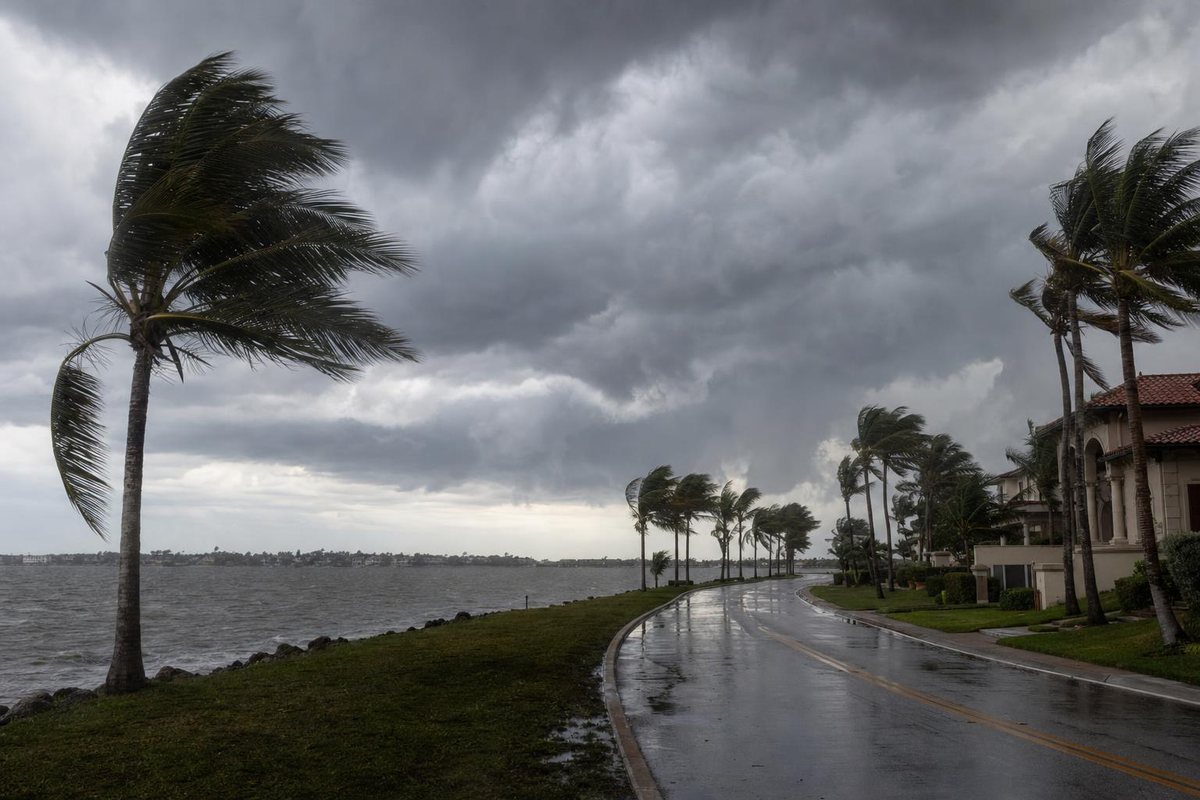
When a hurricane heads for Southwest Florida, the first question on the radio is usually “Which zone are you in?” Your Lee County evacuation zone decides whether you are told to leave early, late or not at all. Learn it now, while the sky is clear and the website loads fast. This guide shows how to look yours up, what the letters mean, and what to do before an order ever comes. Our Southwest Florida hurricane preparedness hub pulls the rest of the storm-season basics together in one place.
The Five Lee County Evacuation Zones
Lee County Emergency Management uses five storm surge evacuation zones, labeled A, B, C, D and E. They are ranked by the risk of storm surge, the wall of water a hurricane pushes onto shore. Zone A is the most likely to be evacuated first. Higher letters cover areas where surge is less likely to reach, so those zones are generally told to leave later, if at all.
These zones are drawn for surge, not for rain. They exist for emergencies only. A zone letter does not change your insurance, your taxes or your property value on paper.
The county’s own Flood Information page puts it plainly: surge zone maps are used to determine evacuations, and surge zones are different from flood zones. We cover that difference in more detail further down.
How to Look Up Your Lee County Evacuation Zone by Address
The official tool is the county’s evacuation zone lookup map, which you can reach from the Lee County Emergency Management website. Type in your street address and the map shows the zone covering that spot.
You have a second option on your phone. Lee County offers a free app called LeePrepares for iPhone and Android. Its interactive map finds your zone by GPS or by address search, and it also shows active evacuation areas and open shelters during an event.
Follow these steps:
- Open the county’s evacuation zone map or the LeePrepares app.
- Enter the full address, including the correct city or community name.
- Note the zone letter, then take a screenshot and write it on your hurricane checklist.
- Repeat for every address you care about, such as a second home, a parent’s house or a rental.
Check again once a year. Lee County Emergency Management advises residents to check their flood zones every year, and the same habit works for your evacuation zone, since maps are updated from time to time.
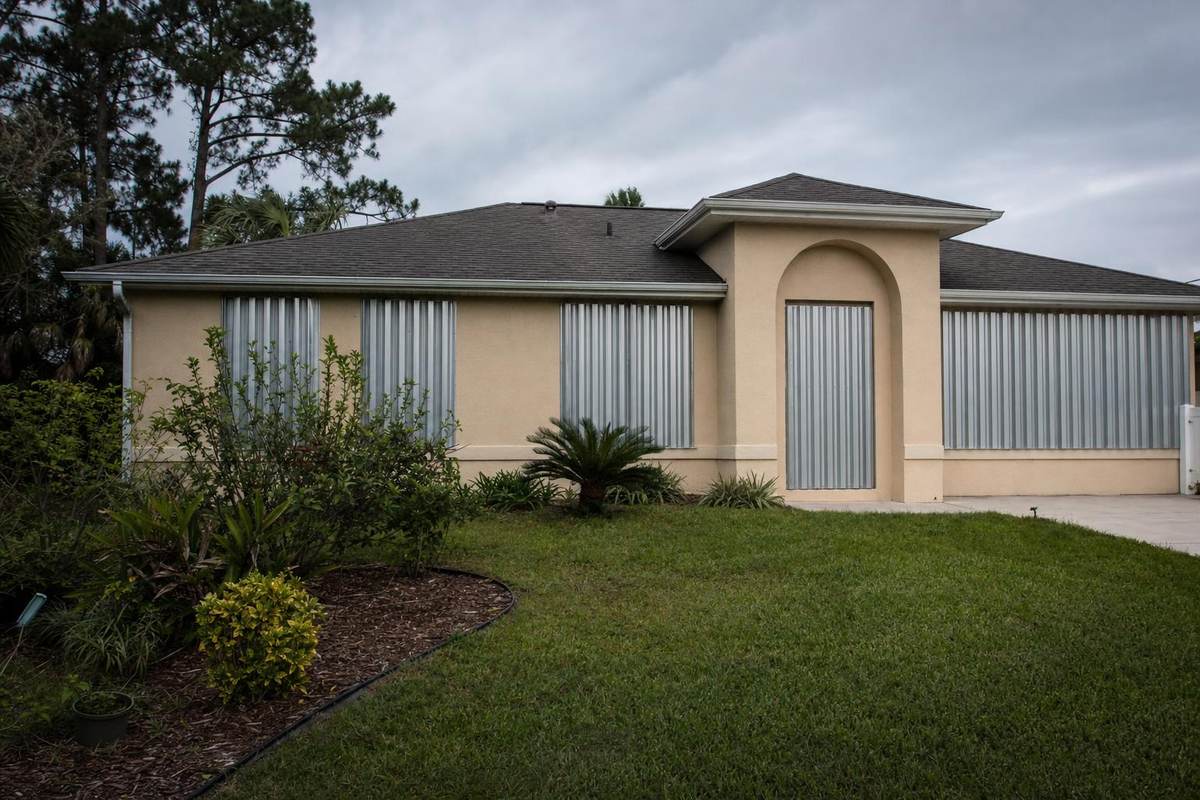
Examples From Lee County Community Guides
Zones vary widely within one county, and the letter often changes from one neighborhood to the next. Every Lee County entry in our community guides lists the evacuation zone from the county’s map layer. These examples come from checks we ran in August 2026:
- Bonita Bay in Bonita Springs is listed in zone A.
- Bell Tower Park in Fort Myers is listed in zone B.
- Belle Lago in Estero is listed in zone C.
- Arborwood Preserve in Fort Myers is listed in zone D.
- Silverlakes in Fort Myers is listed in zone E.
Some communities cover more than one zone. Paseo in Fort Myers, for example, is listed under both C and D in the county data. A single entrance gate does not guarantee a single zone, so always look up your own address.
Treat these listings as a starting point. They are automated summaries, and the county’s lookup tool is the authority for any specific home.
Evacuation Zones vs. Flood Zones
People often assume that a low-risk flood zone means a late evacuation, or the reverse. The two systems answer different questions.
Scroll table to compare columns
| Evacuation zone | Flood zone | |
|---|---|---|
| Letters | A through E | A, AE, VE, X and others |
| Based on | Storm surge from tropical storms and hurricanes | FEMA flood risk from many sources, such as rivers, poor drainage and coastal storms |
| Used for | Deciding who should leave, in emergencies only | Flood insurance requirements and building rules |
A home in a calm-looking flood zone can still sit in an evacuation zone that is told to leave. The reverse can happen too. Look up both. Our guide to reading the Lee County flood zone map explains the FEMA side, and the county’s Flood Information page compares the two.
How Evacuation Orders Work
Lee County issues evacuation orders by zone, and zone A is the most likely to be told to go first. Whether other zones are ordered out depends on the storm, so knowing your letter before the cone shows up on the news saves time.
An order for your zone is the time to go. You do not need to wait for rain or wind. Roads fill early, bridges to the barrier islands can close, and gas stations run low. Leaving as soon as your zone is called gives you the most options.
When a storm is close, listen for your letter, not just the city name. The LeePrepares map shows which evacuation areas are active, so you can check the order against your own address in seconds. Write your zone on the fridge or in your phone notes, so a houseguest or a caregiver can find it too.
Before you lock up, take your go bag, medications and papers, and tell a friend or relative where you are headed. Plan to stay away until county officials say it is time to return, and check road conditions before you drive home.
If your zone is not ordered out, that does not mean conditions will be mild. Follow county guidance, since flooding from rain and storm-driven wind can affect any neighborhood.

Alerts and Shelters
Get alerts before you need them. AlertLee is Lee County’s mass notification system, run by Lee County Emergency Management. It can reach you by phone, text, email and social media, and the county uses it for severe weather, evacuation notices and boil water notices. You can sign up at AlertLee.com. The county also lists the LeePrepares app and text alerts on its Notifications & Resources page.
Public shelters are listed on the county’s website, along with their availability once they open. Lee County describes shelters as a last resort. If you can, stay with friends or relatives outside the ordered zones. For people who need medical help, the county runs a Special Medical Needs Program, so contact Emergency Management well before storm season rather than during a threat.
The county opens different shelter sites depending on the storm, so check its announcements when an order is issued. Check the county’s shelter page or the LeePrepares app when a storm is near.
Plan Ahead: A Short Checklist
- Know your zone for every address you live at or care for.
- Sign up for AlertLee and install LeePrepares.
- Choose a destination outside surge areas, such as a relative’s home or a hotel inland, and a second option in a different direction.
- Pack a go bag with medications, chargers, important documents and cash.
- Plan for pets, because many hotels and shelters have specific rules.
- Photograph your home and belongings for insurance records.
- Fill the car with fuel once a storm is in the forecast, not once it is ordered.
If you live along the water in Cape Coral or Fort Myers, rehearse the route once so it feels familiar. This is general information. Confirm your zone and current orders with Lee County Emergency Management.
Frequently Asked Questions
Can my evacuation zone change?+
Yes. Counties update surge maps as new modeling comes in, so recheck your address every year and after any map announcement.
Do renters need to know their zone?+
Yes. An evacuation order applies to the address, not the owner. Renters should look up their address and ask the property manager about building plans for storms.
Is my evacuation zone the same as my FEMA flood zone?+
No. Lee County states that the two are separate. One tells you when to leave, and the other sets insurance and building requirements.
Where can I get official updates during a storm?+
Use AlertLee, the LeePrepares app and the county’s Emergency Management page.
Before the next storm season starts, visit our hurricane preparedness hub for more steps, then look up your zone and share the letter with everyone in your household.
Contractor directory
Find pros who already work behind your gate.
Browse contractors by trade and community, with license checks noted on each listing.
Rules and fees vary by community. Check your own governing documents and county sources before you rely on any article. Spot something out of date? Report a correction.