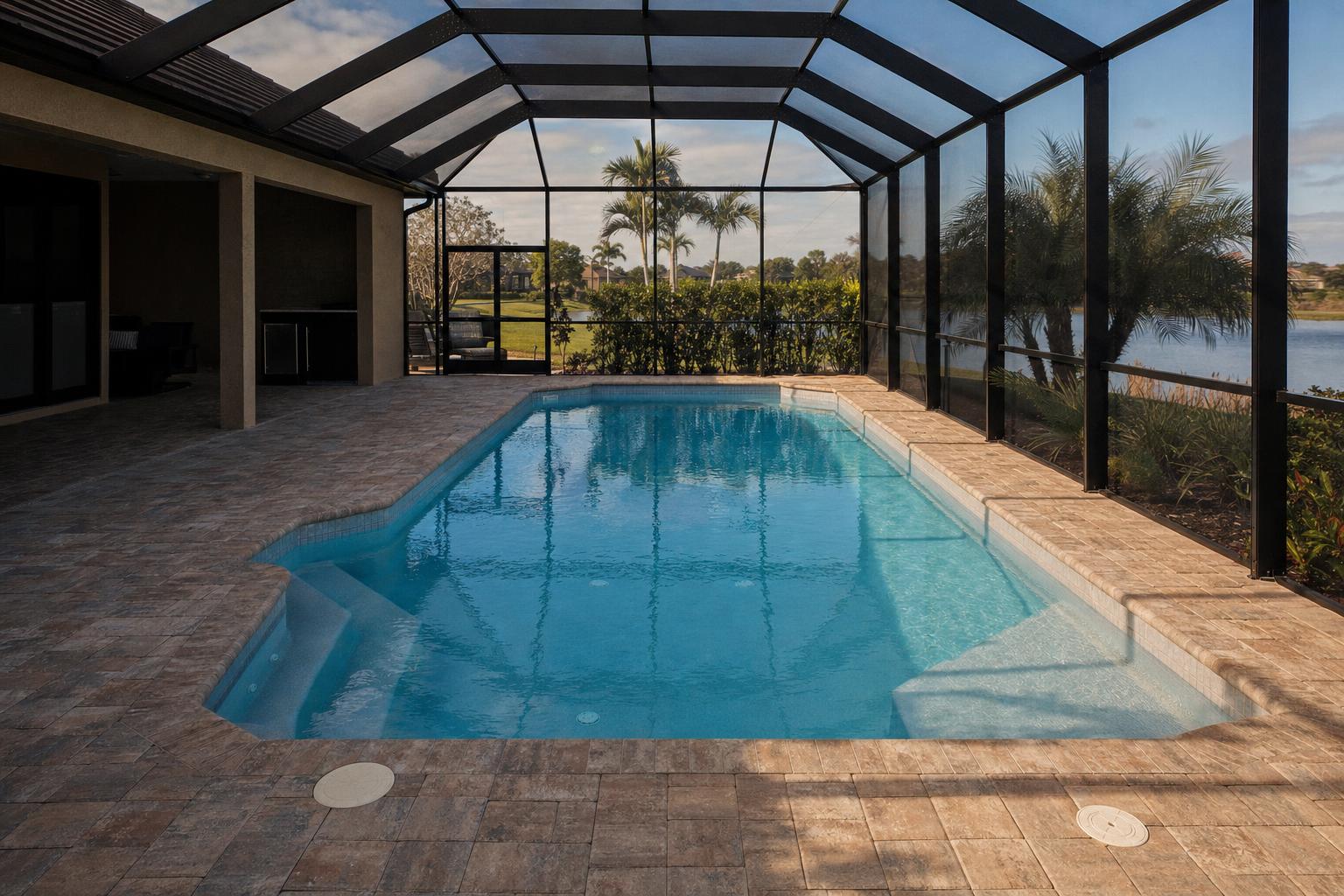
A pool in Southwest Florida works hard. It runs year-round, sits in strong sun and handles constant chemical treatment, so its interior finish eventually roughens, stains or wears through. When that happens, resurfacing is the fix. Pool resurfacing cost in Florida depends on the finish you choose, the size and condition of the pool, and what else gets done while the pool is empty. This guide compares the common finishes, explains what drives price, covers licensing and timing, and lists the association questions to ask in a gated community.
Signs Your Pool Needs Resurfacing
Most owners notice the surface before anything else. Common signs include:
- A rough surface that snags swimsuits or scrapes feet.
- Stains that do not respond to brushing or normal chemical treatment.
- Etching, pitting or chalky patches where the finish is wearing away.
- Small cracks in the surface, or areas where the finish has delaminated and sounds hollow.
- Rising chemical use, because a porous surface can hold algae.
None of these signs alone means you must resurface right away, but several together usually do. Some of them can also point to structural or plumbing problems, so have a licensed pool contractor inspect the pool before you choose a finish.
What Drives Pool Resurfacing Cost in Florida
Bids in our area vary widely with the pool and the scope, so get at least three written bids and compare them on these factors:
- Finish type. Standard plaster usually costs least, quartz and pebble finishes cost more, and full tile interiors sit at the top.
- Pool size and shape. Price follows surface area, and steps, benches, spas and tanning ledges add labor.
- Surface preparation. Removing an old finish, repairing cracks or chipping out failed areas adds cost.
- Tile and coping. Many owners replace waterline tile or coping during the same project, since the pool is already empty.
- Equipment and lights. Upgrading lights, returns or equipment at the same time can save a second draining later.
- Access. Screen enclosures, tight side yards and gated-community vendor rules can affect how crews and materials get to the pool.
Ask each contractor to itemize the bid by finish, surface preparation, tile, coping, start-up and any equipment, so you can compare like with like.
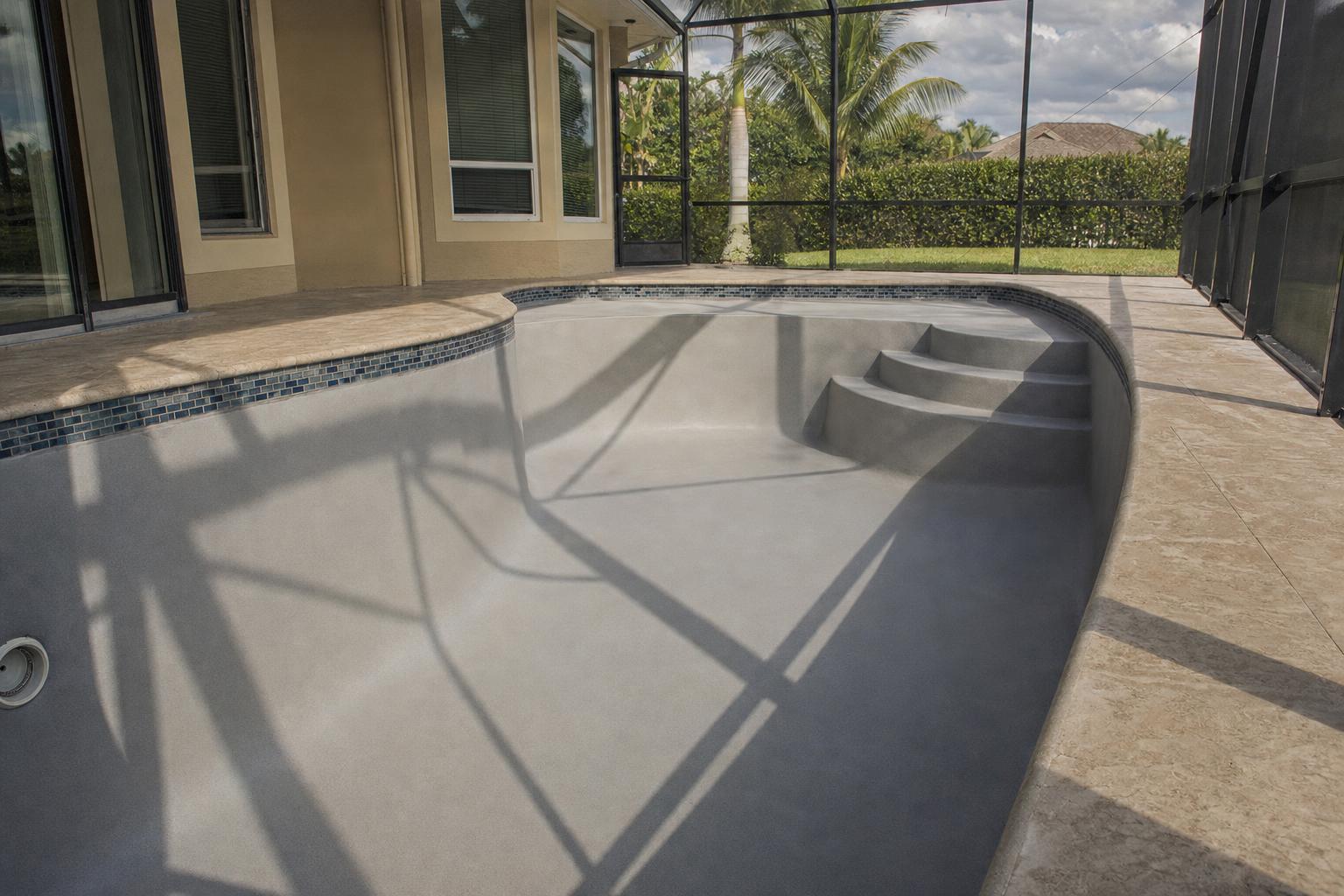
Finishes Compared
Scroll table to compare columns
| Finish | What it is | Trade-offs |
|---|---|---|
| Plaster | A traditional cement-based finish, usually white or lightly tinted. | Lowest cost; smooth when new; tends to show wear and staining sooner than aggregate finishes. |
| Quartz aggregate | Plaster mixed with crushed quartz for color and hardness. | Middle cost; wide color range; generally more stain-resistant than plain plaster. |
| Pebble aggregate | Small smooth pebbles set in a cement base and exposed after application. | Higher cost; textured feel underfoot; often chosen for durability. |
| Tile | Glass or porcelain tile over the full interior. | Highest cost; very durable; usually limited to smaller pools, spas or accents. |
How long each finish lasts depends heavily on water chemistry, sun exposure and how the pool is cared for. Ask each contractor what lifespan they expect for the finish they recommend in your conditions, and what the manufacturer’s warranty covers.
Questions to Ask Each Contractor
- Which finish do you recommend for this pool, and why?
- What surface preparation is included, and how will you handle cracks or hollow areas you find after draining?
- Are tile, coping, lights and start-up chemicals included or priced separately?
- How long will the pool be empty, and what happens if rain delays the work?
- What warranty covers the finish, and what does the warranty require me to do?
- Who pulls any required permit, and who handles association paperwork?
Get every answer in the written contract, along with the payment schedule. A large deposit before any work starts is worth questioning, and final payment should follow a completed, refilled and balanced pool.
Licensing: Who Can Resurface a Pool in Florida
Florida licenses pool contractors under Chapter 489 of the Florida Statutes. Under section 489.105, a residential pool/spa contractor’s scope includes the construction, repair and servicing of residential pools, including interior finishes. A swimming pool/spa servicing contractor’s scope includes interior refinishing and the substantial or complete draining of a pool for repair or renovation.
In practice, that means the company that drains and refinishes your pool should hold the right license. Check any contractor on the state’s DBPR license search, ask for proof of liability insurance and workers’ compensation, and ask whether your city or county requires a permit for the work.
Timing and the Resurfacing Process
A typical project follows a predictable order: draining, surface preparation, tile or coping work, applying the new finish, refilling and a careful start-up period for water chemistry. Ask your contractor for a written schedule and for their start-up instructions, because the first weeks of care affect how the new finish cures.
Draining a pool in Florida takes care. High groundwater can push on an empty pool shell, so contractors watch conditions and plan the work to keep the pool empty only as long as necessary. Ask how they handle that risk and whether rain or storms could delay the job.
Season matters, too. Many owners schedule resurfacing for months when they use the pool less, or when they will be away. If you will be up north during the project, arrange for someone, such as a home watch provider, to check progress and confirm the pool is refilled on schedule.
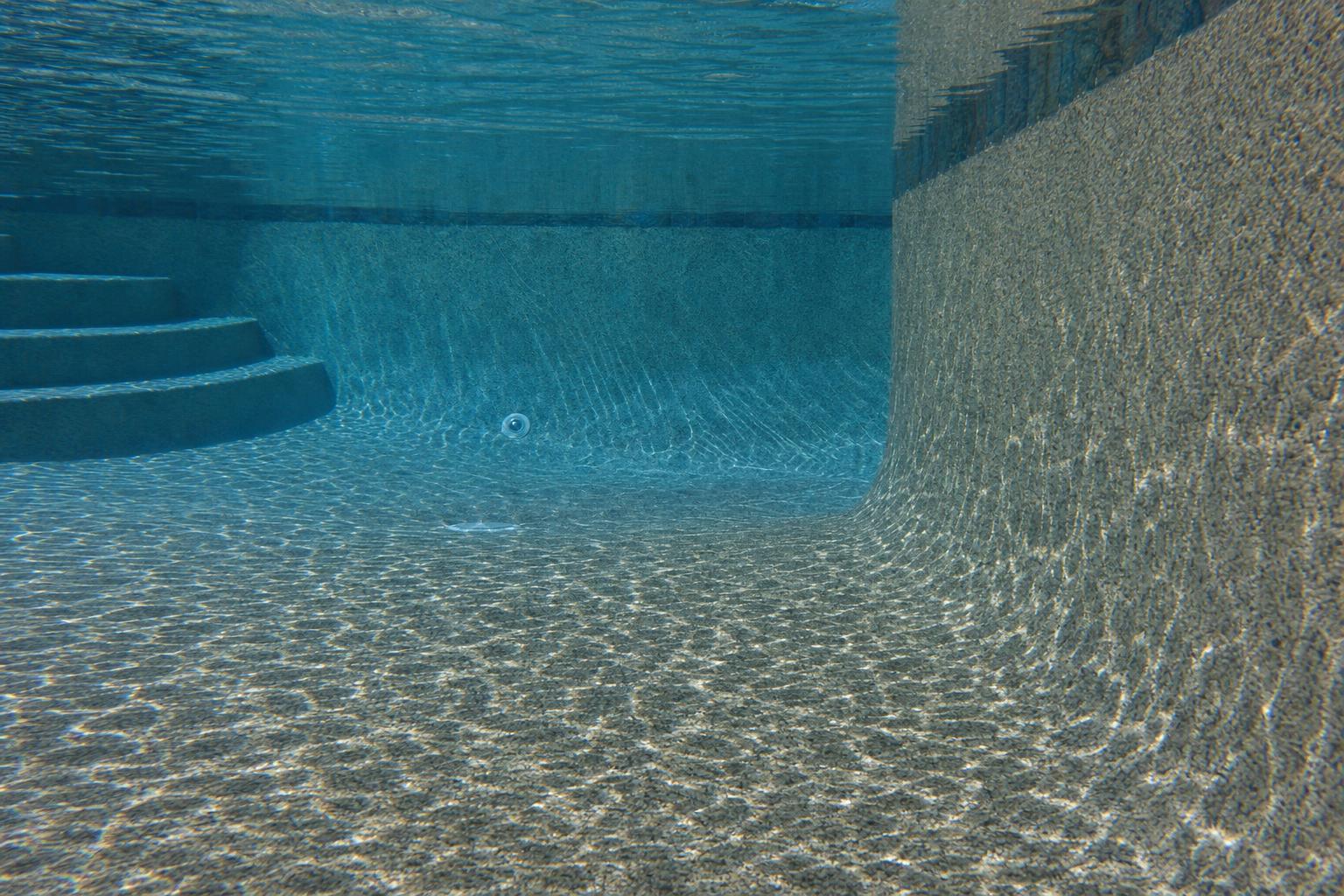
Combine Projects While the Pool Is Empty
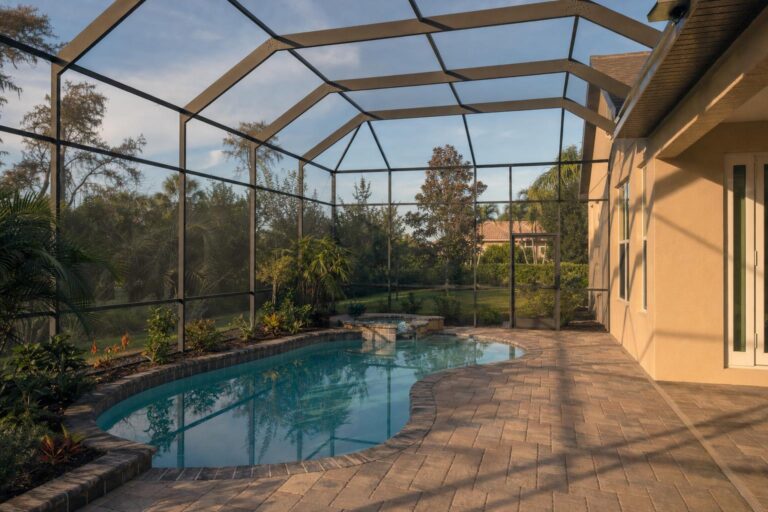
Draining a pool is a big step, so think about everything else that might need attention. Owners often bundle resurfacing with waterline tile, coping, deck resealing, new lights, updated returns or a new pump or heater. If the screen enclosure around the pool has torn panels or worn screws, it can be practical to schedule that repair close to the same time, since crews will already be working in the space. Our screen and lanai directory lists local companies for that part of the job.
Bundling can save a second mobilization fee and a second round of association paperwork. Just keep each part of the job priced separately, so you can drop an item if the total runs higher than planned.
HOA Rules in Gated Communities
In a gated community, resurfacing usually touches several association rules, even though the pool itself is private:
- Architectural review. Changes visible from outside, such as new coping, decking or enclosure work, may need approval first. A like-for-like interior resurfacing may not, but ask.
- Vendor access. Crews and delivery trucks need gate passes, and some communities limit work hours and days.
- Water discharge. Ask where drained water may go. Associations and local rules may restrict draining into lakes, swales or storm drains.
- Screen enclosure color and style. If a damaged screen cage is repaired at the same time, it may need to match approved colors.
- Debris and dumpsters. Some communities restrict roll-off containers or require them to be removed quickly.
Submit any required application early, since review committees may meet only monthly, and keep the approval with your project records.
Also tell your neighbors when the work will happen. A short note about the dates, the crew’s working hours and where trucks will park goes a long way in a close-knit community, especially on a cul-de-sac or a narrow street.
This is general information. Confirm licensing, permits and association rules before you sign a contract, and our community guides list each association’s contact details where official sources publish them.
Frequently Asked Questions
How often do Florida pools need resurfacing?+
It varies with the finish, water chemistry and care. Ask a licensed contractor to inspect the surface and estimate remaining life rather than relying on a fixed schedule.
Can I stay in the house during resurfacing?+
Usually, yes. The work happens outside, though crews, noise and the empty pool are part of the experience for a while. Keep everyone, including pets, away from the drained pool and work area.
Should I replace tile at the same time?+
Often it makes sense, because the pool is already drained. Ask for separate prices so you can decide.
Ready to compare bids? Visit our pool services and pool construction directories, and request itemized quotes from licensed contractors.
Contractor directory
Find pros who already work behind your gate.
Browse contractors by trade and community, with license checks noted on each listing.
Rules and fees vary by community. Check your own governing documents and county sources before you rely on any article. Spot something out of date? Report a correction.