
When you leave a Naples home empty for the summer, small problems have months to grow. A slow leak, a failed air conditioner or a tripped breaker can turn into mold, water damage or spoiled flooring before anyone notices. Home watch services in Naples exist to catch those problems early. This guide explains what a home watch visit usually covers, how it differs from property management, and what to ask before you hand over a key.
What Home Watch Services in Naples Do
A home watch company makes scheduled visits to a home while the owner is away, checks it against a list, and reports back. It is a visual inspection service. The company looks for signs of trouble and tells you or acts on your instructions. It does not live in the home, rent it out or manage tenants.
That is the main difference from property management. A property manager handles leasing, rent and tenants. A home watch provider watches an empty home and coordinates help when something goes wrong. Some firms offer both, so be clear about which service you are buying.
In a gated community, the gatehouse and patrol watch the streets, not the inside of your house. Gate staff will not notice a leaking water heater or a humid living room, so many seasonal owners pair the community’s security with private home watch.
What a Typical Visit Covers
Checklists vary, so ask each company for theirs in writing. A thorough visit often includes:
- Water. Looking under sinks, around toilets, at the water heater and near the washer for leaks or stains. Running faucets and flushing toilets to keep drains and seals from drying out.
- Air conditioning and humidity. Confirming the system runs, reading the thermostat and checking indoor humidity. In a Naples summer, a failed system lets indoor humidity climb quickly, and damp air is what mold needs.
- Electrical. Checking for tripped breakers, failed lights and a working refrigerator.
- Doors, windows and locks. Making sure the home is secure and there are no signs of entry.
- Exterior. Walking the outside for roof debris, pool cage damage, irrigation problems and pests.
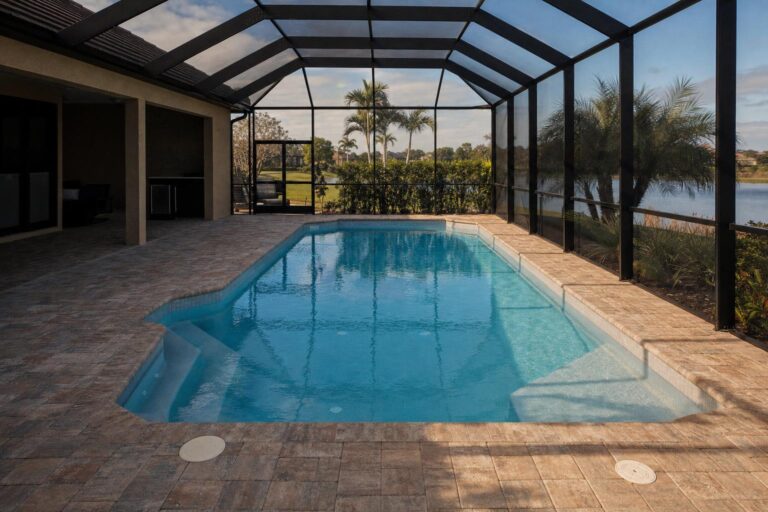
- Pool and lanai. Noting the water level and condition if no pool service visits.
- Mail and packages. Removing anything that signals the home is empty.
Good providers send a dated report after each visit, often with photos. Ask to see a sample report before you sign.

How Often Visits Happen
Companies commonly offer weekly or every-other-week visits, with the price tied to frequency and home size. More frequent visits catch problems sooner. A leak found after three days does far less damage than one found after two weeks.
Check your homeowners insurance before you pick a schedule. Many policies have terms that apply when a home is vacant or unoccupied for a set period, and some ask owners to arrange regular checks. Read your policy’s wording, and ask your agent how often someone should inspect the home to keep coverage in place. Then choose a visit schedule that meets or beats that.
Your association may have its own rules, too. Some communities ask owners to register a home watch company with the gatehouse so staff can let the provider in. Ask your HOA how access works for vendors while you are away.
Storm Season and Home Watch
The Atlantic hurricane season runs from June 1 through November 30, according to the National Hurricane Center. That overlaps almost exactly with the months many seasonal owners spend up north, which makes storm planning one of the biggest reasons to hire home watch.
Ask each company how it handles storms:
- Before a storm: Will it install shutters or close accordion panels, bring in patio furniture and secure loose items? Is that included or billed per event?
- After a storm: How soon will it inspect, and will it send photos of roof, window and water damage?
- Staffing: How many homes does it cover, and how does it decide the order of post-storm visits?
- Evacuation: What does it do if staff must evacuate too?
Know your own evacuation zone and flood zone even if you will be away. Our hurricane preparedness hub covers the rest of your storm plan.

Questions to Ask Before You Hire
A home watch provider holds your keys, your alarm code and access to your home for months. Interview at least two or three companies and ask:
- What insurance do you carry? Ask for proof of general liability coverage and whether the company is bonded. Ask whether coverage applies to employees and any subcontractors.
- Who will visit? Find out whether the same person comes each time and whether staff pass background checks.
- How do you control keys and codes? Keys should be coded, not tagged with your address.
- What happens when you find a problem? Agree on a dollar limit for emergency repairs without your approval, and how fast you will be told.
- Who does repairs? Plumbing, electrical, roofing and air conditioning work in Florida generally requires licensed contractors. Ask which trades the company calls, and check any contractor’s license on the DBPR license search.
- What does the contract say? Look at the price per visit, storm charges, cancellation terms and how the company documents each visit.
Watch for warning signs during the interview, too. Be cautious of a provider who cannot show proof of insurance, will not put the checklist and fees in writing, or promises it can prevent storm damage. Home watch reduces the time a problem goes unnoticed. It cannot stop a hurricane or guarantee that nothing will go wrong.
Ask other owners in your community for referrals as well. In a gated neighborhood, the same few providers often serve many homes, and neighbors will tell you who shows up on time.
The Collier County Sheriff’s Office also takes requests for house watch patrols for residents who are away for a short time. The office describes it as extra patrols outside the property, so it does not replace someone checking inside.
Preparing Your Home Before You Leave
A good handoff makes every visit more useful. Before you head north:
- Set the thermostat and humidity control to the settings your provider recommends, and change the air filter.
- Decide whether to shut off the main water supply, and tell your provider where the valve is.
- Leave contact numbers for your pool service, landscaper, HOA and preferred contractors.
- Confirm your provider is on the gatehouse access list.
- Photograph each room so there is a baseline if damage occurs.
Plan the return as carefully as the departure. Ask your provider to run the air conditioning and flush the plumbing a day or two before you arrive, and to stock nothing perishable until you confirm the date. Once you are back, walk the house with the season’s reports in hand, note anything that was repaired, and book routine service for the air conditioner and pool if they ran unattended all summer. A short debrief also tells you whether to keep the same provider next year.
Keep the reports themselves, too. If you ever file an insurance claim, a dated record of visits and photos showing the home’s condition before an event can help explain when damage began.
Our Naples community guides list each neighborhood’s association and gate details, which can help you build that contact list.
This is general information. Confirm insurance requirements with your agent and your policy, and confirm access rules with your homeowners association.
Frequently Asked Questions
Is home watch the same as a house sitter?+
No. A house sitter stays in the home, while a home watch provider visits on a schedule, inspects and reports. Home watch suits owners who want the home empty but checked.
How much do home watch services cost in Naples?+
Prices depend on visit frequency, home size and extras such as storm preparation. Ask several companies for written quotes that list what each visit includes, so you compare the same service.
Can a home watch company let in repair crews?+
Many will meet contractors, deliveries and cleaners for an added fee. Set the rules in writing, including who may enter and how the company confirms the work was done.
Before you leave for the season, ask neighbors and your association for home watch referrals, contact two or three providers, request a sample report from each, and compare their storm plans side by side. Our home watch directory shows the home watch company listed for each gated community, and our local pros directory lists the licensed trades you may need for repairs.
Contractor directory
Find pros who already work behind your gate.
Browse contractors by trade and community, with license checks noted on each listing.
Rules and fees vary by community. Check your own governing documents and county sources before you rely on any article. Spot something out of date? Report a correction.