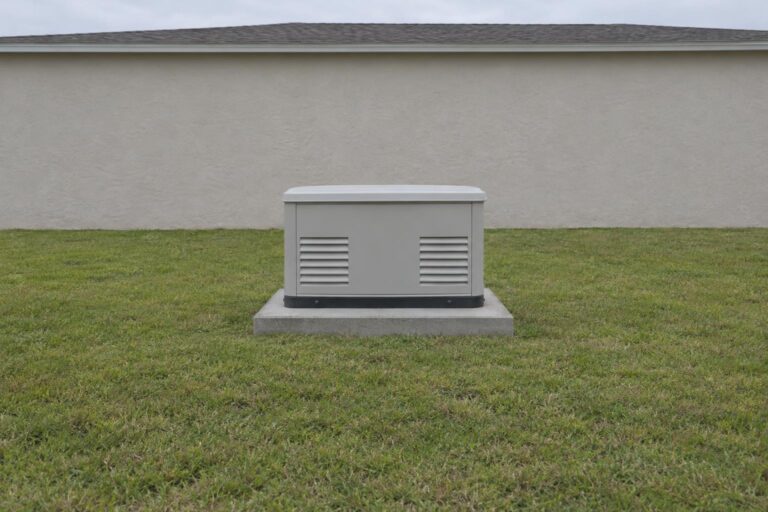
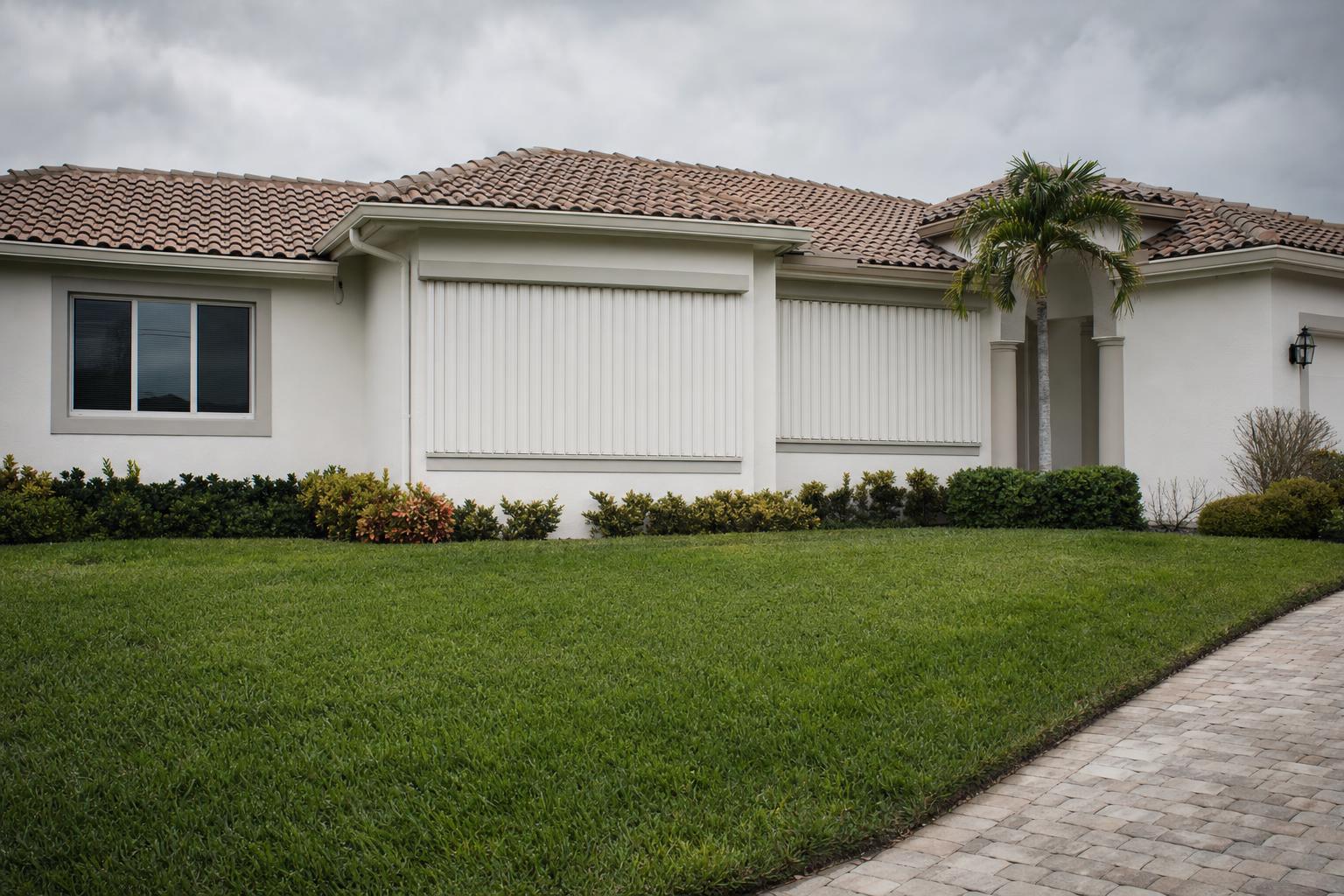
After a busy storm season, many Southwest Florida owners start pricing shutters, and the quotes can be confusing. How much hurricane shutters cost depends less on the brand than on the type of protection, the number and size of your openings, and how the system is installed and permitted. In a gated community, there is one more step: your association’s approval. This guide compares the main shutter types, explains what drives price, and covers the Florida law that shapes HOA approval.
What Drives Hurricane Shutters Cost
Quotes in our area swing widely from one home to the next, so get at least three written quotes and compare them on the factors that actually move the total:
- Type of protection. Removable panels sit at the low end of most budgets, and motorized roll-down shutters and impact-rated windows sit at the high end.
- Number and size of openings. Large sliding glass doors, lanai openings and two-story windows cost more to protect than standard windows.
- Product approval. Products should carry approval for use under the Florida Building Code. Florida’s product approval system is searchable on the state’s Florida Building Code website.
- Installation and access. Second-story work, tile roofs, stucco repairs and electrical runs for motorized units add labor.
- Permits. Shutter and window installations generally need a building permit, and the permit and inspection fees are part of the job.
Ask every contractor to price each opening separately, name the specific product and its approval, and state whether permits, removal of old shutters and stucco or paint touch-up are included. That makes quotes comparable.
Shutter Types Compared
Scroll table to compare columns
| Type | How it works | Trade-offs |
|---|---|---|
| Storm panels | Steel, aluminum or clear polycarbonate panels bolted or slid into tracks before a storm. | Usually the lowest cost; must be stored and installed by hand each time. |
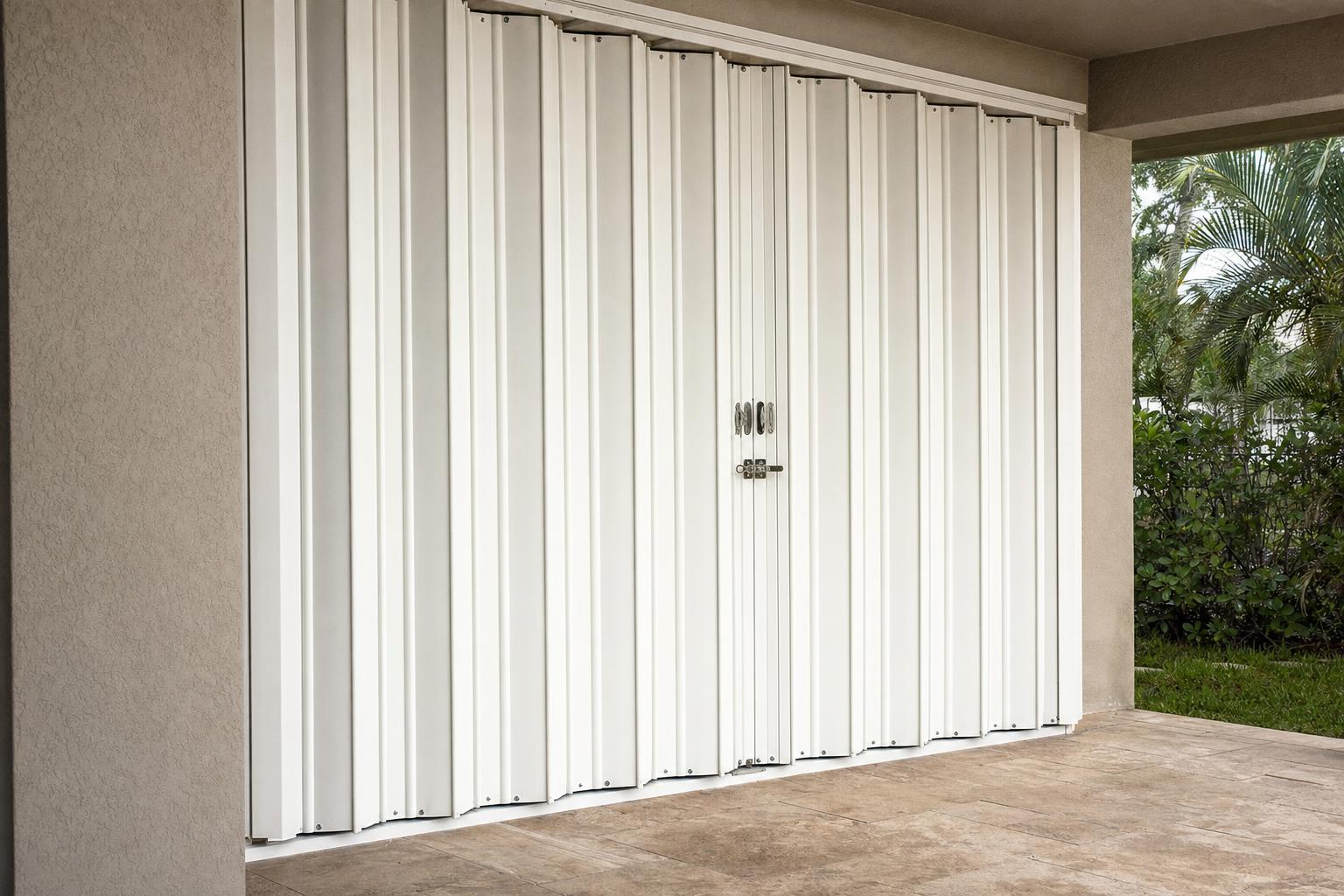
| Accordion shutters | Folding panels mounted beside each opening, pulled closed and locked. | Always in place; visible year-round and need periodic track maintenance. |
| Roll-down shutters | A box above the opening holds slats that roll down by crank or motor. | Fast to deploy, good for large openings; among the costliest options. |
| Impact windows and doors | Laminated glass rated to resist wind-borne debris; no shutter needed. | Protection is always on; usually the highest upfront cost, often done as part of a window replacement. |
| Fixed or decorative shutters | Hinged colonial or Bahama-style shutters that close over the window. | Attractive on some architectural styles; protection depends on the rated product. |
Ongoing costs belong in the comparison too. Panels need storage space and someone able to lift and install them, accordion tracks need cleaning and lubrication, and motorized roll-downs may need occasional motor or switch service. Ask each installer what routine care the product needs and what the warranty requires you to do.
The right mix often combines types. Many owners protect large openings with roll-downs or impact glass and smaller windows with panels.
What Florida Law Says About HOA Approval
Homeowners associations can regulate how shutters look, but Florida law limits how far they can go. Under section 720.3035 of the Florida Statutes, the board or architectural committee of a homeowners association must adopt hurricane protection specifications for each structure or improvement on a parcel. Those specifications may cover color and style and must comply with the building code.
The statute then sets a firm limit. The board or committee may not deny an application to install, enhance or replace hurricane protection that conforms to the specifications it adopted, although it may still require a unified building scheme for external appearance. The law lists examples of covered protection, including permanent fixed storm shutters, roll-down track storm shutters, impact-resistant windows and doors, polycarbonate panels, reinforced garage doors and erosion controls.
In short, your association decides how hurricane protection must look, but it cannot refuse a product that meets its own rules. The statute text above is current as of October 11, 2026.
Condominium owners are under a different chapter of Florida law and their own declaration, so read your condominium documents and ask the association how its rules work.
Getting Your Application Approved
A few steps keep the approval process short:
- Ask for the written specifications first. Request the association’s adopted hurricane protection specifications before you collect quotes, so every bid matches.
- Submit a complete application. Include the product name and approval number, color, a drawing or photo of each opening, and the contractor’s license and insurance.
- Check neighborhood rules. In master-planned communities, a neighborhood association may have its own architectural review on top of the master association.
- Plan the timing. Review committees often meet monthly, and permits take time, so start well before June.
- Keep the approval letter. You will want it at resale and if questions come up later.
Also ask about deployment rules, since they affect which product suits you. Many associations set when temporary shutters may go up and how soon after a storm they must come down.

Do Not Forget Doors and the Garage
Windows get most of the attention, but a home’s weakest openings are often its largest ones. A wide garage door or a set of sliding glass doors gives wind a big surface to push on, and if one fails, pressure inside the house can rise quickly. That is why Florida’s statute lists reinforced garage doors and impact-resistant doors alongside shutters, and why the My Safe Florida Home program counts garage door reinforcement and exterior door upgrades among its eligible improvements.
When you collect quotes, ask each contractor to address every opening, not just the windows:
- Garage doors: a rated replacement door or a reinforcement kit approved for your door.
- Sliding glass and French doors: roll-down shutters, panels or impact-rated replacements.
- Front entry doors: an impact-rated door, or a panel or shutter that covers the door and any sidelights.
Screen enclosures and lanai cages are not opening protection, so plan separately for the openings behind them.
Insurance Discounts and Grants
Opening protection can pay back in part through insurance. Citizens Property Insurance says homes with documented wind-resistant features may qualify for premium discounts, and those features are recorded through a wind mitigation inspection. After installation, have the inspection updated and send it to your insurer.
The state’s My Safe Florida Home program has offered free wind mitigation inspections and grants of up to $10,000 for improvements such as impact windows and doors and garage door reinforcement, based on the inspection report, when funding is open. The program’s site does not show whether funding is open today, so check the current terms before you sign a contract.
Choosing an Installer
Shutter and window installation in Florida is construction work, so hire a properly licensed contractor and confirm the license with the state’s DBPR license search. Ask for proof of liability insurance and workers’ compensation, and confirm who pulls the permit.
Ask each installer about lead times. Demand often rises after an active storm season, and some products take weeks to fabricate. Get the delivery and installation dates in the contract, along with the warranty on product and labor and the payment schedule tied to completed work.
Our directory lists local shutter and window and door companies, and our hurricane preparedness hub covers the rest of your storm plan.
This is general information. Confirm product approvals, permits, association rules and insurance discounts with your building department, your association and a licensed insurance agent.
Frequently Asked Questions
Can my HOA make me use a specific shutter brand?+
The statute lets the board set specifications, including color and style, but it may not deny protection that conforms to those specifications. Ask whether the specifications name products or describe standards.
Are impact windows better than shutters?+
They offer protection without any setup before a storm, which matters if you are away in summer. They usually cost more upfront, so many owners combine them with shutters on some openings.
Do I need a permit to replace shutters?+
Generally yes. Check with your city or county building department, because permit rules apply to new installations and many replacements.
Request your association’s hurricane protection specifications first, then contact two or three licensed installers from our shutter directory for itemized quotes.
Contractor directory
Find pros who already work behind your gate.
Browse contractors by trade and community, with license checks noted on each listing.
Rules and fees vary by community. Check your own governing documents and county sources before you rely on any article. Spot something out of date? Report a correction.