What Shapes Whole-House Generator Cost in Florida
Whole-house generator cost in Florida is shaped by more than the generator sitting on the pad. The quote can change based on electrical load, fuel supply, placement, permitting, storm exposure, maintenance access, and the work needed to connect the system safely.
For homeowners in Lee, Collier, and Charlotte counties, the goal is usually simple: keep key systems running during an outage without creating new safety, code, or association issues. A useful quote should show what is included, what is excluded, and what decisions still need to be confirmed before work begins.
Generators also connect to broader storm planning. If you are reviewing shutters, roof condition, evacuation planning, or food and medication storage at the same time, our Southwest Florida hurricane planning guide is a practical companion.
Load Sizing: The First Cost Driver
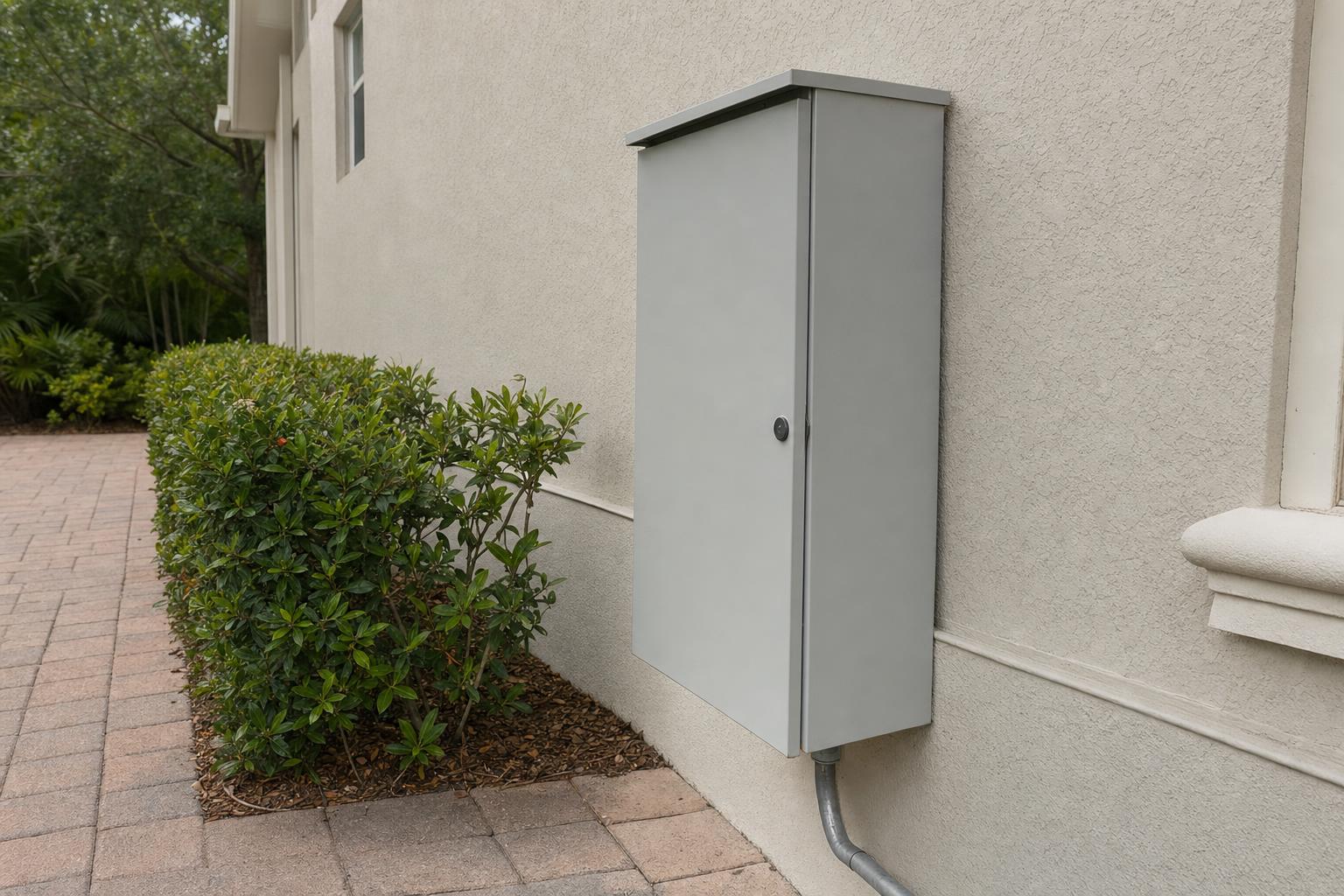
The biggest quote difference often comes from load sizing. A generator that powers only selected circuits is a different project from one designed to carry most of the home, including air conditioning, appliances, well equipment, pool equipment, and other high-demand loads.
A contractor should review the electrical panel, major appliances, starting loads, and any equipment that may run at the same time. Air conditioning is a major factor in Florida because starting a compressor can require more power than running it after startup. Some systems use load-shedding controls so the generator does not try to run every large appliance at once.
Homeowners should decide what “whole-house” means in practical terms. For one home, it may mean keeping lights, refrigeration, internet equipment, a small air-conditioning zone, and a few outlets active. For another, it may mean running multiple air handlers, kitchen appliances, medical equipment, a lift pump, or a well pump.
Ask for the load calculation or sizing method in writing. A larger generator may add equipment cost, fuel use, and installation complexity, while an undersized system may not support the loads you expect during an outage.
Scroll table to compare columns
| Quote Item | Why It Can Change the Price |
|---|---|
| Electrical load | More equipment to power may require a larger unit, load management, or panel changes. |
| Fuel source | Natural gas, propane, and diesel each bring different tank, line, delivery, and site needs. |
| Transfer equipment | Automatic transfer switches, service-rated switches, and panel work vary by home. |
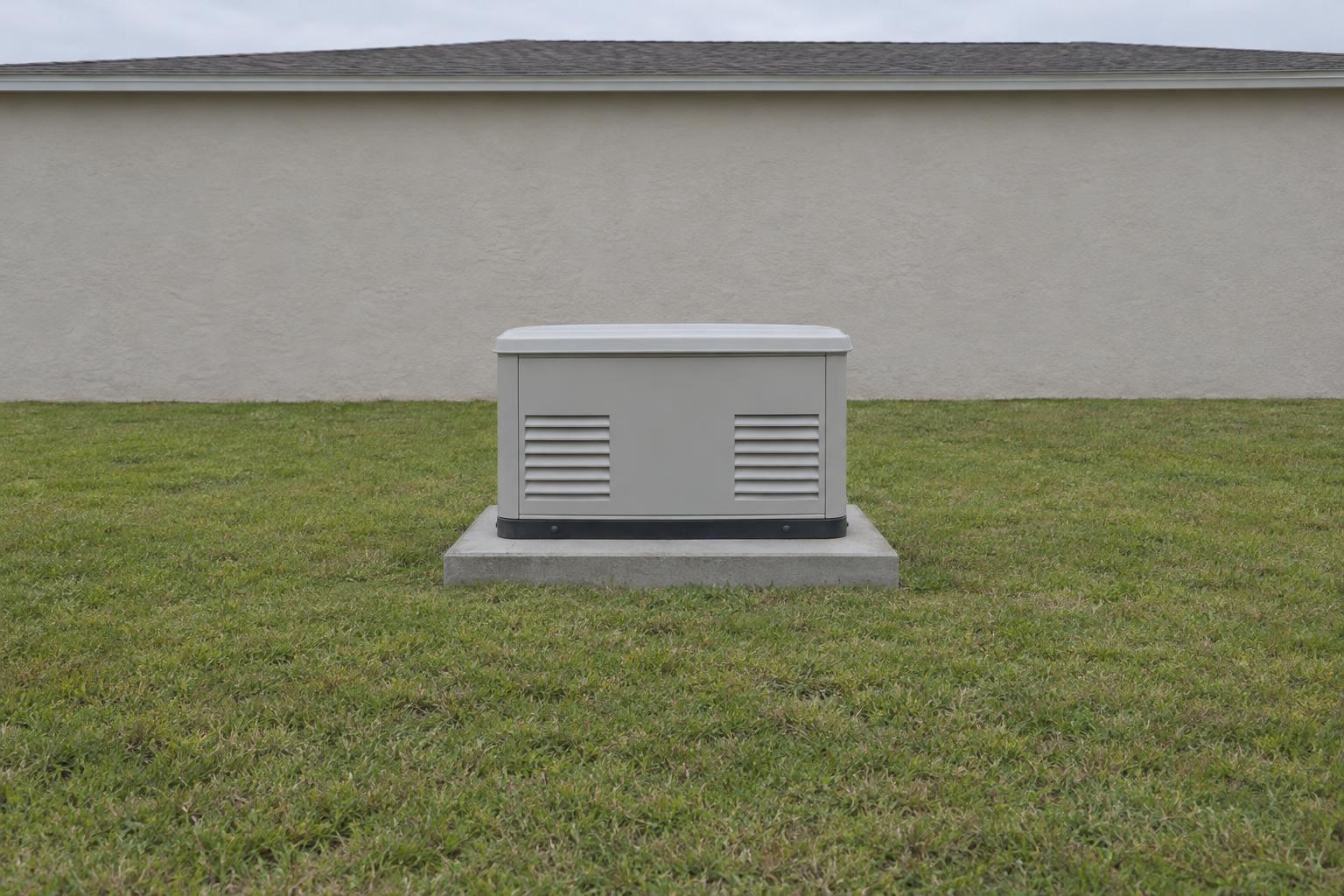
| Placement | Clearances, elevation, access, noise, and drainage can affect the pad and layout. |
| Permits and review | Local permitting, inspections, utility coordination, and HOA review can add time and cost. |
Fuel Supply and Runtime Planning
Fuel planning is one of the most practical parts of a generator quote. Natural gas may be convenient where service is available, but not every property has it. Propane systems need tank placement, delivery access, and enough stored fuel for the loads the homeowner expects to run.
Tank size, trenching, gas line upgrades, regulators, and distance from the generator can all change the installation cost. In some cases, the quote may involve a fuel vendor in addition to the electrical contractor. Ask who is responsible for fuel-line work, tank permits, and coordination with the utility or propane company.
Runtime estimates should be treated as planning tools, not promises. Fuel use changes with electrical load, weather, equipment condition, and how long the system operates. If a quote gives a runtime estimate, ask what load level was assumed.
Fuel storage also creates placement and safety questions. Tanks and generators may need separation from openings, ignition sources, property lines, and other equipment. Confirm your situation with the local building department, fire authority, utility, or licensed fuel professional before relying on a layout.
Transfer Switches, Panels, and Existing Electrical Conditions
A standby generator is not just plugged into the home. It connects through transfer equipment that separates generator power from utility power. This protects workers, equipment, and the home’s electrical system when utility service returns.
The transfer switch can be a major cost factor. Some homes need a service-rated automatic transfer switch, while others may use a different configuration based on the electrical service and panel layout. Older panels, crowded panels, or prior unpermitted work can also affect the scope.
Panel upgrades, grounding and bonding corrections, surge protection, or rerouting circuits may appear as separate line items. These are not always signs of upselling. Sometimes they reflect existing conditions that must be corrected for a safe and permitted installation.
Ask each bidder to explain what happens during an outage, what starts automatically, and what loads may be locked out or staged. A clear answer is often more useful than a simple equipment brochure.
Permits, HOA Review, and Generator Placement
Generator installation usually involves local permitting and inspection. Lee County, for example, maintains a Residential Generator Permits page for homeowners and contractors. Collier and Charlotte properties may have different local procedures, so confirm requirements with the correct public office before work begins.
Placement can be a sticking point in gated and deed-restricted communities. A generator may need to be screened, located away from certain elevations, or reviewed by an architectural committee before installation. HOA approval is separate from government permitting, and one approval does not replace the other.
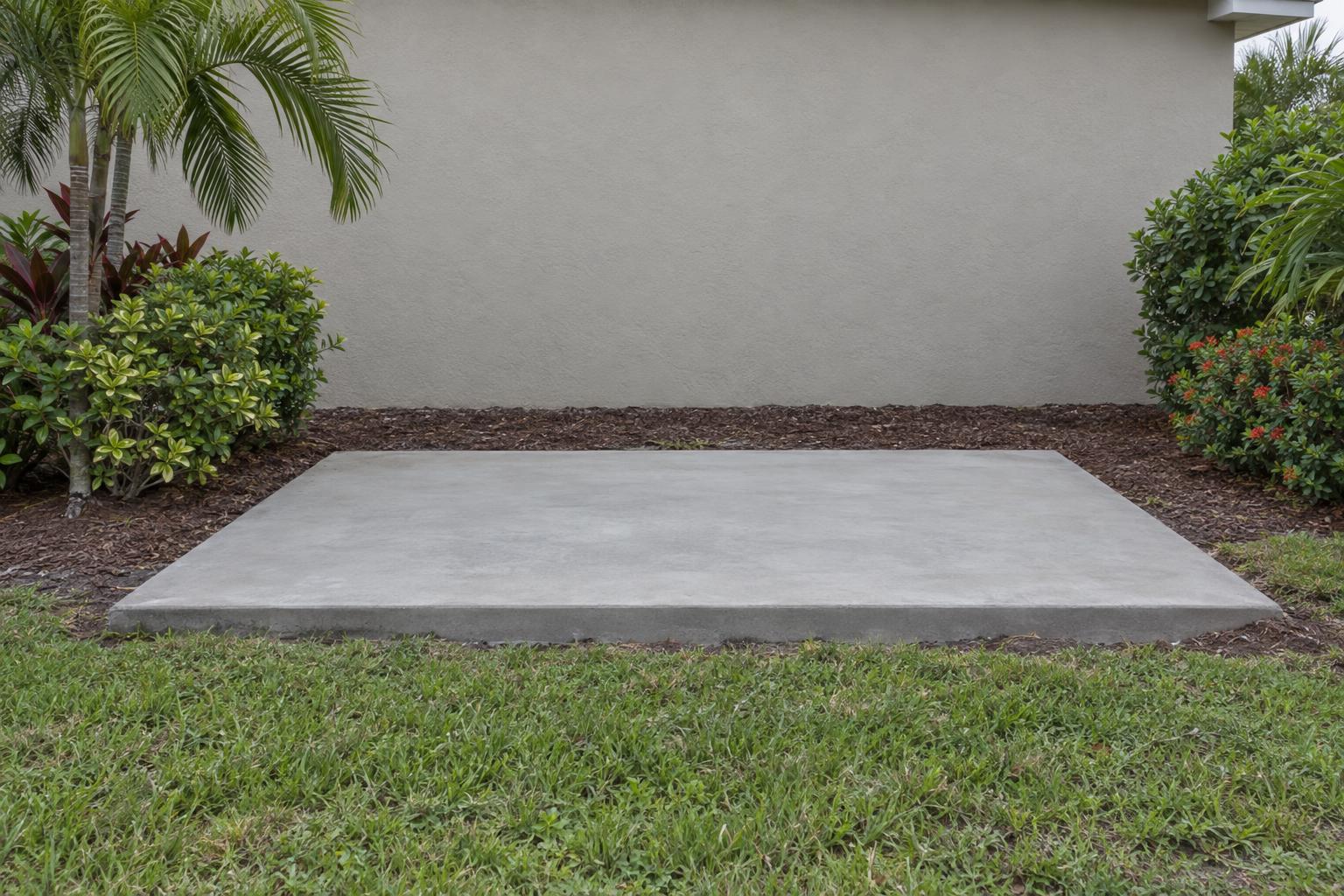
The best quotes usually show the proposed location, pad type, setbacks, access path, and equipment clearances. They should also address service access, drainage, landscaping conflicts, and the route for electric and fuel connections. Moving a unit after plans are drawn can add cost and delay.
Flood exposure is another issue in coastal and low-lying areas. Elevation, anchoring, and equipment protection may be reviewed during permitting or insurance discussions. Treat flood and code details as property-specific, and confirm them with the local building department, floodplain office, or a licensed design professional.
Safety, Storm Use, and Ongoing Maintenance
Generator safety deserves attention before the first outage. Ready.gov power outage guidance explains that outages can affect communications, water, transportation, and other daily services. A generator may reduce some inconvenience, but it does not replace a full storm plan.
Carbon monoxide is a serious risk when generators are used incorrectly. FEMA generator safety guidance warns homeowners to use generators safely and keep exhaust away from the home. Standby units are permanently installed, but placement, ventilation, and maintenance still matter.
Maintenance is part of the ownership cost. Standby generators may need oil and filter changes, battery checks, exercise cycles, software or controller checks, and periodic inspections. Salt air, humidity, insects, vegetation, and storm debris can all affect equipment condition in Southwest Florida.
Ask whether the quote includes the first maintenance visit, startup testing, owner training, or a service agreement. Also ask how warranty service works after a storm, when many owners may be calling at once. For broader preparation checklists, see our homeowner resources for Southwest Florida.
Comparing Quotes Without Chasing the Lowest Number
A low quote may be useful, but only if it includes the same scope as the others. Compare generator size, transfer equipment, fuel work, pad work, permits, startup, load management, and cleanup. If one quote excludes trenching, gas work, HOA paperwork, or panel corrections, it may not be comparable.
Ask for line items instead of a single number. This makes it easier to see which parts are equipment, labor, permitting, electrical changes, fuel supply, and optional maintenance. It also helps you compare changes if you reduce the loads or choose a different fuel plan.
Homeowners should verify licensing, insurance, and local experience before signing. A generator project can involve electrical, fuel, structural, and permitting details, so the people doing the work should be qualified for their part of the job. Our local contractor directory can help you organize names to research, but homeowners should still verify credentials directly.
Written details protect both sides. The proposal should say who submits permits, who schedules inspections, who contacts the utility, who handles HOA submittals, and what happens if hidden conditions are found. Confirm tax, insurance, rebate, and legal questions with the appropriate licensed professional or public office.
Frequently Asked Questions
Is a whole-house generator priced by square footage?+
Square footage may give a rough starting point, but it is not enough for a reliable quote. The electrical loads, air-conditioning equipment, fuel source, panel condition, and transfer switch design usually have more influence than the size of the home alone.
Can an HOA stop or delay a generator installation?+
An association may require architectural review, screening, location approval, or other steps under its governing documents. That review is separate from building permits, so homeowners should check both the association process and local permitting requirements before ordering equipment.
Does a generator lower insurance costs?+
Some owners ask about insurance credits, but any discount depends on the carrier, policy, equipment, and current underwriting rules. Confirm possible insurance effects with your licensed insurance agent before assuming a generator will change your premium.
What should be included in a good generator quote?+
A useful quote should list the generator model or capacity, transfer equipment, load-management plan, fuel work, pad or mounting details, permit responsibility, inspection steps, startup testing, warranty information, and maintenance options. It should also state exclusions clearly.
For more storm-planning and homeownership topics, visit our Southwest Florida resources section.
Contractor directory
Find pros who already work behind your gate.
Browse contractors by trade and community, with license checks noted on each listing.
Rules and fees vary by community. Check your own governing documents and county sources before you rely on any article. Spot something out of date? Report a correction.